
Thank you for Subscribing to Construction Business Review Weekly Brief

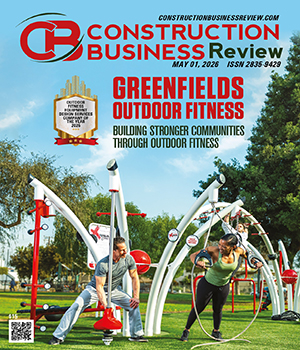
What vision guides the development of inclusive outdoor fitness spaces in communities? Greenfields Outdoor Fitness has built its reputation on a simple yet powerful idea: public spaces should invite everyone to move, gather, and improve their well-being together. For nearly two decades, the company has focused on designing outdoor fitness environments that extend beyond traditional playgrounds and sports courts. Under the leadership of President and CEO Sam Mendelsohn, it has helped communities transform parks, campuses, and public spaces into inclusive fitness destinations where people of all ages and abilities can exercise side by side. “Our goal has always been to create a free, multigenerational form of recreation that anyone can use,” Mendelsohn explains. “By working with organizations that serve others, including parks departments, hospitals, schools, and the military, we ultimately help millions of people build healthier habits in their daily lives.” Designing Outdoor Fitness for Every Generation How does the company design outdoor fitness environments to serve diverse community needs? Outdoor recreation has long been central to community life, yet many public parks have historically catered primarily to children through playgrounds or to athletes through specialized courts. Greenfields recognized an overlooked gap: the large population of teens, adults, and seniors who seek accessible ways to stay active outdoors but may not participate in organized sports. By introducing thoughtfully engineered outdoor fitness equipment and adaptable exercise environments, the company has helped communities activate underused spaces and create places where physical activity becomes part of everyday routines.
Top Custom Pool Design Contractor 2026
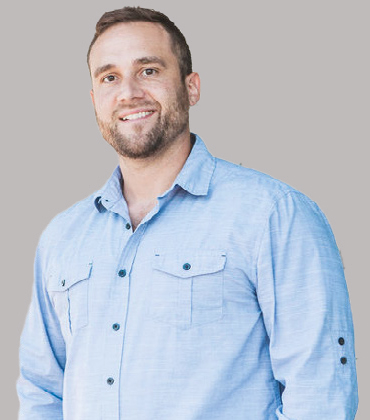
What challenges make building residential pools difficult in waterfront environments today? Island Way Pools specializes in building residential pools in complex waterfront environments, where many projects fail due to groundwater conditions, seawall constraints and permitting challenges. Its operating model combines feasibility-led design with in-house construction, allowing projects to move from planning through permitting and field execution within one coordinated workflow. Island Way Pools emphasizes completing every pool it takes on, ensuring each project progresses from contract through final delivery as planned. For many homeowners, the primary challenge is determining whether a pool can be built at all. Limited lot sizes, setback requirements, drainage rules and proximity to seawalls often restrict placement, while rising construction costs make financing an important part of early planning. The decision often extends beyond design, focusing on whether the project can realistically move forward and reach completion. How does early site evaluation improve planning and feasibility of pool construction projects? Island Way Pools manages these factors through early evaluation of site conditions, permitting requirements and engineering constraints. This ensures designs align with building regulations and structural requirements before plans move forward. The company also helps homeowners explore financing options through lending partners, making pool construction more accessible for clients who may not fund the full cost upfront. “We’re trying to bring affordable luxury to every homeowner,” says Justin Hidalgo, owner.
Top Architectural Design Firm 2026
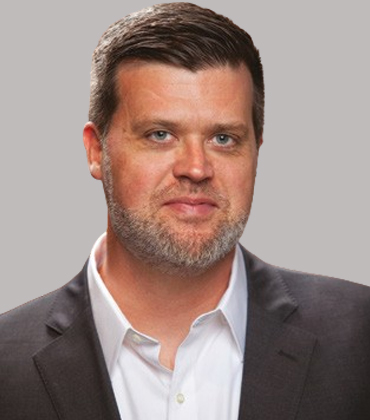
What constraints shape architectural projects and influence execution across stakeholders and project phases? Williams Blackstock Architects, a full-service architecture and design firm, anchors its practice in a creative and collaborative spirit that extends beyond design. Every project carries inherent constraints, including cost, quality expectations and delivery timelines, each adding layers of complexity that demand alignment across stakeholders, disciplines, and execution phases. Rather than viewing these as barriers, the firm treats them as defining conditions that shape its approach. Through a creative lens, it helps structure schedules, inform budget decisions and coordinate teams across phases. Such an approach allows it to identify solutions that maintain design integrity while remaining practical to deliver. “Our goal is clear: clients should feel they gain more value by working with our firm than they would through a conventional design process,” says Matt Foley, principal & COO.
Top Construction Monitoring and Consulting Services 2026
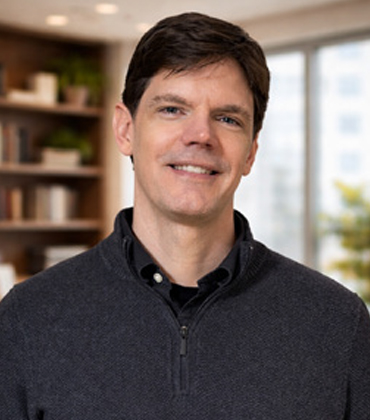
Construction projects rarely fail because work stops. Problems often emerge when reported progress does not match conditions on site. ATG Services addresses this gap by providing independent construction monitoring that verifies what is actually installed, inspected and accepted in the field. The firm focuses on identifying risks early while maintaining the reporting discipline required by project stakeholders. Its work centers on realistic verification of progress and defensible assessments of percent complete, allowing lenders, owners and contractors to respond before issues expand into delays or cost overruns. “From ATG Services’ perspective, a key challenge in construction monitoring is maintaining focus on what matters most to the client, which is independent, field-based oversight that identifies meaningful risks early while still meeting the required reporting processes,” says James Joles, business owner. Independent Monitoring Grounded in Field Reality ATG Services approaches construction monitoring by verifying conditions directly on site rather than relying solely on reported progress. The firm evaluates percent complete based on installed and accepted work and develops practical projections for completion timelines so stakeholders can assess risk in real time. Its methodology has evolved toward structured consistency and accountability. Inspection routines follow defined processes while reporting frameworks translate field observations into actionable insights for project teams. When risk indicators emerge, the firm emphasizes clear escalation paths so concerns are documented and addressed before they expand.
CXO INSIGHTS

How Equipment Utilization Data Improves Project Bidding
Christina Andrews, Sr. Manager, Content Marketing, United Rentals

Are you Ready for a Life in Construction?
Joe Cimbak, Director of Talent Management, Sunland Construction, Inc. and Affiliates

Operational Leadership VS Field Leadership in the Utility Construction Business
Jarvis Lopez, Regional Safety Manager- Mastec Power Delivery East, Henkels & McCoy, Inc
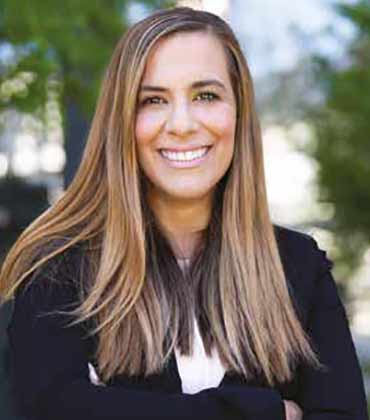
Leading with Purpose: Shaping People & Culture at Action Property Management
Carla Gatza, SVP of People & Culture, Action Property Management

Urban AI and Its Impact on the Construction Industry
Paul Doherty, President and CEO, The Digit Group
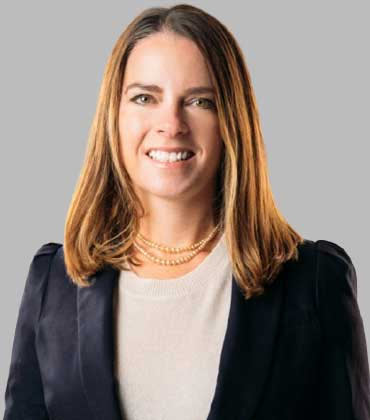
The Architecture of Attainability
Lisa Vilhauer, VP Design and Entitlement, ArtHaus Partners
IN FOCUS

The Rise of Outdoor Gym Design in Community-Centric Construction Projects
Outdoor gym design strengthens community health by integrating accessible fitness spaces into modern construction and shared public environments.
Redefining Outdoor Living Through Custom Pool Design
Custom pool designs promote environmentally friendly and energy-efficient solutions, enhancing outdoor living while offering aesthetic appeal.
EDITORIAL
Execution-Led Construction: Where Design, Discipline and Delivery Converge
Execution discipline, early alignment and integrated delivery are redefining how construction projects succeed. This edition of Construction Business Review explores how firms embed feasibility, coordination and accountability into project development to manage complexity and deliver consistent outcomes.
Our cover story, Greenfields Outdoor Fitness, recognized as the Outdoor Fitness Equipment Design Services Company of the Year 2026, shows how design translates into scalable impact. By combining stakeholder-led planning with engineered durability, accessibility and customizable fitness ecosystems, the company is transforming public spaces into inclusive wellness infrastructure. Its approach aligns community needs with buildable design and long-term usability, operating as one continuous system from planning through execution.
Across this edition, a clear pattern emerges: leading firms resolve complexity early and carry that discipline through execution. IslandWay Pools, recognized as Top Custom Pool Design Contractor 2026, approaches waterfront construction through upfront feasibility, engineering alignment and in-house delivery control, ensuring continuity from permitting to completion. Williams Blackstock Architects, awarded Top Architectural Design Firm 2026, structures design around cost, schedule and constructability, using these constraints to drive better outcomes. Together, they reflect a shift toward integrated delivery models where coordination is deliberate and accountability is centralized.
Leadership perspectives in this edition reinforce this shift toward structured execution. Christina Andrews, Senior Manager, Content Marketing at United Rentals, highlights how equipment utilization data improves bidding accuracy and cost control, enabling contractors to avoid over-fleeting and strengthen project profitability. Chase Dunn, Senior Manager, Construction at Lucid Motors, emphasizes the importance of early stakeholder alignment, structured governance and technology platforms in managing large-scale construction programs in fast-paced environments.
The direction is clear: success in construction is no longer defined by design ambition alone, but by the ability to align early, execute with precision and deliver measurable outcomes at scale. We invite you to explore this edition and apply these principles to future development strategies.
