

CLOSE
  • Foundation Construction Canada
  • Construction Consulting Europe
  • Mechanical Contractor Canada
  • Mould Remediation and Testing Europe
  • Swimming Pool Construction APAC
  • Building Sealing Solutions Europe
  • Kitchen and Bath
  • Decking Canada
  • MEP APAC
  • Construction Saudi Arabia
  • Construction Law APAC
  • Outdoor Construction
  • Construction Coating Europe
  • MEP Canada
  • Apartment and Condominium Contractors Canada
  • Cold Storage Construction APAC
  • Precast Concrete Europe
  • Construction Staffing Europe
  • Pre-Construction Services
  • Flooring System APAC
  • Scaffolding Canada
  • Swimming Pool Construction Canada
  • Construction Management Canada
  • Residential Construction
  • Systems
  • Structures
  • Professional Services
  • Construction Forensic and Owners Representative Europe
  • Buinding Restoration and Maintenance Europe
  • Modular and Prefab Construction Europe
  • Construction Interiors Europe
  • Outdoor Construction Europe
  • Pre-Construction Services Europe
  • Building Restoration and Maintenance Canada
  • Cold Storage Construction Canada
  • Concrete Canada
  • Construction Cladding APAC
  • Concretes, Aggregates and Construction Materials APAC
  • Concretes, Aggregates and Materials Europe
  • Commercial Contractors Europe
  • Commercial Contractors APAC
  • Dummy
  • Flooring Systems Europe
  • Construction Management APAC
  • Landscaping Canada
  • Construction Engineering Services
  • Construction Bidding and Auctions
  • Mechanical Electrical and Plumbing
  • Roofing and Siding Systems Europe
  • Architectural Glass APAC
  • Startups APAC
  • Forensic and Owners Representative
  • Flooring System
  • Waterproofing APAC
  • Wall Systems
  • Safety and Compliance Europe
  • Architecture and Design Services
  • Modular and Prefab Construction
  • Architectural Glass
  • Construction MENA
  • Construction Demolition and Recycling Europe
  • Construction Interiors
  • Kitchen and Bath Europe
  • Steel Building APAC
  • HVAC
  • Doors and windows
  • Roofing and Siding Systems
  • Modular Construction Canada
  • Insulation, Coating and Waterproofing
  • Building Information Modeling APAC
  • Architectural Glass Canada
  • Construction Law
  • Sustainable Construction APAC
  • Building Restoration and Maintenance
  • Commercial Contractors
  • Specialty Construction
  • Construction Engineering Canada
  • Construction Engineering MENA
  • Specialty Construction Europe
  • Modular Construction APAC
  • Construction Marketing
  • Construction Latam
  • Workforce Management and Staffing
  • Roofing Systems APAC
  • Construction Consulting
  • Steel Building Europe
  • Construction Demolition and Recycling APAC
  • Safety and Compliance APAC
  • Concretes, Aggregates and Materials
Skip to: Curated Story Group 1
Construction Business Review
US
EUROPE
APAC
CANADA
MENA
LATAM
AUSTRALIA
About Us Conference Advertise With Us
  • Europe
    • US
    • EUROPE
    • CANADA
    • AUSTRALIA
  • Home
  • Sections
    Building Sealing Solutions
    Buinding Restoration and Maintenance
    Commercial Contractors
    Concretes, Aggregates and Materials
    Construction Coating
    Construction Consulting
    Construction Demolition and Recycling
    Construction Forensic and Owners Representative
    Construction Interiors
    Construction Staffing
    Flooring Systems
    Kitchen and Bath
    Modular and Prefab Construction
    Mould Remediation and Testing
    Outdoor Construction
    Pre-Construction Services
    Precast Concrete
    Roofing and Siding Systems
    Safety and Compliance
    Specialty Construction
    Steel Building
  • Leadership Perspectives
  • Insights
  • News
  • CXO Awards

Thank you for Subscribing to Construction Business Review Weekly Brief

Building Restoration and Maintenance

Top Solutions
On Point Construction and Design: A Client-First Approach to Modern Construction Management
On Point Construction and Design
On Point Construction and Design: A Client-First Approach to Modern Construction Management
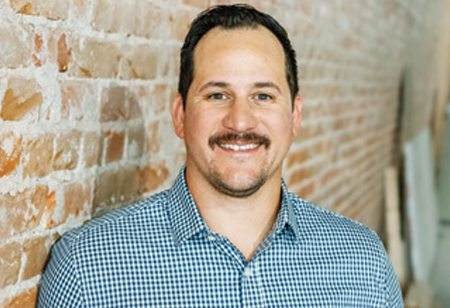
Kevin Kreger, President
What principles guide On Point Construction Management’s client-first approach in construction projects?

On Point Construction and Design is a commercial construction firm specializing in design-build, new construction and historic renovation projects. The company primarily works with real estate developers and organizations looking to build or restore functional, high-quality spaces.

Established over a decade ago, the company follows a client-first approach, driven by strong planning and transparent communication from the outset. The company acts as a client advocate across both design and construction phases, with a clear focus on understanding each client’s goals, budget and long-term vision. The company operates on a “treat clients how you would want to be treated” principle to deliver a more collaborative and less stressful project experience from start to finish.

As Kevin Kreger, president, On Point Construction and Design notes, “The schedule is not a suggestion. It’s the plan. It really comes down to planning and transparent communication.”

The team follows a client advocacy approach, anchored in strong planning and transparent communication from the outset. The firm positions itself as a true advocate across both design and construction phases, with a clear focus on understanding each client’s goals, budget and long-term vision.

Consistency in Approach, Flexibility in Execution

How does the company maintain consistency while adapting execution across different construction project types?

Guided by these values, On Point has been able to execute new construction and historic preservation without sacrificing its approach or style. While different project types require some variation in execution, the company maintains a consistent foundation built on value, integrity and performance. It applies the same disciplined management approach and rigorous preparation standards across all projects, regardless of their complexity.
Read more
Paragon Construction: Setting New Standards in Housing Renovation
Paragon Construction
Paragon Construction: Setting New Standards in Housing Renovation
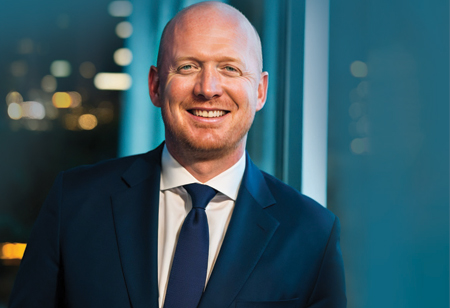
Kyle Weaver, Founding Partner and President
Affordable multifamily preservation is tricky.

With many moving parts and limited visibility into existing conditions, projects often fall into blame, inefficiency, and poor communication instead of shared accountability. Too often, the focus shifts from solutions to finger-pointing, with each party involved in a project looking to absolve themselves of responsibility when challenges arise. In this environment, accountability breaks down, and collaboration disappears.

For many contractors and general contractors in the affordable housing renovation space, this blame-driven approach has resulted in subpar outcomes, frustrating stakeholders and slowing progress.

This is when Kyle Weaver entered the construction industry, and realized it was time to do things differently.

“I came from a different industry, and when I started in construction, it seemed inefficient because too many people were worried about blaming someone else instead of taking accountability,” he recalls.

It was this inefficiency that led Weaver to question the status quo and explore how the industry could shift from a culture of blame to one rooted in collaboration, accountability, and respect for everyone involved in a project.

That shift in thinking shaped how Paragon Construction operates on every project. Its process emphasizes early involvement, coordination across stakeholders, and proactive problem-solving, particularly in the complex realities of affordable housing. Unlike many competitors, the company focuses not just on completing projects, but on creating an experience for clients, residents, and subcontractors alike, one rooted in transparency, communication, and a shared commitment to delivering the best possible outcome.

“We like to say that our customers aren’t just the people who hire us, but all the ancillary parties involved in our projects, such as property management, residents, and subcontractors,” says Weaver, founding partner and president of Paragon Construction. This philosophy is reflected in every aspect of the business and has helped Paragon maintain a reputation for high-quality, customer-centric service.

The company’s dedication to its clients and stakeholders has been a key factor in its success. Paragon focuses primarily on occupied renovations, where residents continue to live in the building during construction. This type of work requires a delicate balance of respect for residents, coordination with property managers, and careful planning to ensure minimal disruption. Weaver and his team have refined this approach over time, understanding that their role goes beyond completing a job. They are creating an experience.

“We want to hear what residents need, what they want, and try to give them the best experience possible,” he adds.

Committed to Clients’ Peace of Mind

In a field where contractors often focus solely on the technical aspects of a project, Paragon’s commitment to ensuring a positive experience for everyone involved is a defining characteristic.

We like to say that our customers aren’t just the people who hire us, but all the ancillary parties involved in our projects, such as property management, residents, and subcontractors.

For Paragon, the word “experience” goes beyond years in business or technical expertise. The experience that matters most is how each party, whether a client, resident, or subcontractor, feels while working with the company.

“When I say experience, I’m talking about the feeling people have while working with Paragon,” Weaver says. This sense of comfort, confidence, and trust is the foundation on which the company’s success is built.
Read more
Skyline Restoration Inc.: The Complete Exterior Restoration Specialists
Skyline Restoration Inc.
Skyline Restoration Inc.: The Complete Exterior Restoration Specialists
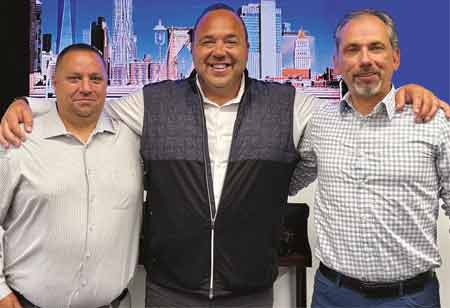
Jasen Geraghty, Principal
New York City’s skyline is home to some of the most iconic architectural landmarks in the country. Preserving these structures requires deep expertise, precision, and dedication. For over 35 years, Skyline Restoration Inc. has been a trusted leader in exterior building restoration, helping ensure that the city’s architectural legacy endures.

Specializing in commercial, residential, and institutional properties, Skyline breathes new life into aging facades while preserving historic character and tackles modern construction repairs with equal skill.

The firm is known for its craftsmanship, problem-solving, and rigorous adherence to safety and compliance. Its teams are proficient in façade, roofing, waterproofing, and concrete restoration, managing every aspect of the building envelope.

“Clients frequently turn to our expertise early in the process, particularly when planning complex historical landmark restorations,” says Spiro Markatos, principal.

A Full-Spectrum Partner in Building Envelope Services

Skyline works with a wide client base, including property owners, co-ops/condos, A/E firms, CMs, and more, navigating regulatory complexities like the NYC Department of Buildings’ Façade Inspection & Safety Program (FISP), formerly Local Law 11. As FISP guidelines evolve, property owners face shifting standards in budgeting, inspections, and long-term planning. More than a restoration contractor, Skyline offers a full-service operation. Its in-house FISP and historical divisions handle compliance, while its industrial rope access team enables inspections and emergency repairs that many firms can’t perform.
Read more
Sound Monitoring: A Complete Solution for Life Safety Systems in Commercial Construction
Sound Monitoring
Sound Monitoring: A Complete Solution for Life Safety Systems in Commercial Construction
Steve Burdine, Owner
A building isn’t complete when the final beam settles into place or the last coat of paint dries. It’s complete when it can reliably protect the lives inside.

Every commercial space reaches a critical juncture before handover when fire alarms must trigger, elevators must respond and life safety systems must perform exactly as designed. At this decisive moment, precision and accountability define success.

Sound Monitoring has built its 45-year reputation on making that decisive difference. From high-rise complexes in the Pacific Northwest to commercial developments in New York, Florida and nationwide, the company provides seamless transitions. Developers, owners and property managers trust Sound Monitoring not merely to pass inspections but to deliver absolute certainty—every system, every time.

Behind this certainty is an uncompromising, entirely in-house approach. One experienced team manages the entire process from installation, testing and technical support to compliance documentation and continuous monitoring. No fragmented responsibilities complicate the process; one accountable partner guides the project from construction through occupancy.

An integrated model like this accelerates timelines, closes communication gaps and eliminates costly surprises. Fire alarms, elevators, Area of Refuge (AOR) systems and emergency communications, each critical safety component, are activated, tested, synchronized and certified inspection-ready—on schedule, the first time.

“What we offer is dependability,” says owner Steve Burdine. “Building managers know that when something needs repair or a deadline tightens, they don’t need to chase contractors. One call to us and it’s handled.”
Read more
State of Industry

The Role of Digital Renovation and Structural Innovation in Prolonging Urban Lifespans

Urban renovation firms now drive sustainable city renewal by digitally upgrading aging buildings, enhancing structural performance, and integrating ecological, health, and data systems for resilient, efficient urban living.

The global construction industry has shifted from suburban expansion to "urban metabolic renewal." Housing renovation and construction companies now play a central role in shaping urban longevity. They are responsible for revitalizing aging buildings, which often form the cultural and historical core of cities, by upgrading them to meet modern performance standards. This process involves comprehensive structural and digital improvements to ensure urban centers remain efficient, healthy, and sustainable for a growing population.

A key driver of this shift is the adequate flow of information, which has become essential to the construction industry. By using advanced data systems, renovation firms are connecting the legacy of existing buildings with the evolving needs of modern cities.

Digital Synchronization and the Information Lifecycle

Modern renovation firms operate with equal precision in both digital and physical environments. Universal Data Environments (UDEs) define the flow of information, capturing, analyzing, and sharing every aspect of a building’s transformation in real time. This integrated data process starts before construction begins. Using high-fidelity LiDAR scanning and advanced photogrammetry, firms create a comprehensive digital twin that accurately represents the structure’s details, historical changes, and hidden conditions.

This digital transparency delivers a level of accuracy previously unattainable in renovation projects. Seamless information sharing among architects, engineers, and on-site teams allows unexpected conditions in older buildings to be identified and addressed during simulation. This approach reduces risks, improves decision-making, and increases project predictability.

Accurate digital modeling enables firms to optimize material procurement and reduce waste. Precise measurements support the prefabrication of customized components, such as high-performance glazing systems or modular insulation panels, ensuring an exact fit upon delivery. Real-time data sharing improves collaborative logistics. In dense urban environments, synchronized delivery and installation schedules help maintain site safety and efficiency and minimize disruption to surrounding areas.

At project completion, the renovation process results in a comprehensive “building passport.” This digital record, provided to the owner and relevant authorities, includes detailed material specifications, sensor locations, and a framework for ongoing maintenance and future upgrades. It serves as a long-term asset, supporting transparency, compliance, and lifecycle management. The construction company’s role now extends beyond execution to include data stewardship. By maintaining accurate and consistent information throughout renovations, firms help ensure that updated buildings remain measurable, adaptable, and integrated with the city’s smart infrastructure.

Structural Reclamation and High-Performance Engineering

Renovation companies are increasingly focused on structural reclamation, which goes beyond routine repairs or cosmetic upgrades. This method involves systematically re-engineering aging buildings to meet current standards for safety, thermal efficiency, and durability. Today’s construction firms combine traditional techniques with advanced technologies originally developed for aerospace and industrial use.

Revitalizing urban housing now centers on structural integrity, which has advanced from traditional concrete and steel reinforcement to adaptive systems using damping technologies and carbon-fiber reinforcement. Thermal envelopes have shifted from static insulation such as fiberglass to dynamic assemblies using phase-change materials and aerogel insulation. Energy management has moved from centralized, fossil-fuel systems to decentralized, renewable-powered models supported by micro-grids. These innovations have extended renovation life cycles from about 30 years to over 75 years, often referred to as an “infinite lifecycle” approach.

A critical enabler of this transformation is the widespread adoption of carbon-fiber reinforced polymers (CFRP). These materials allow firms to strengthen aging masonry and concrete structures without adding significant weight or altering building mass. As a result, historically important buildings can be upgraded to meet modern seismic and wind-load requirements while preserving their original architectural character and visual identity.

At the same time, construction companies are taking on greater responsibility for deep energy retrofits. This work requires stripping buildings to their structural cores and rebuilding performance layers with advanced vapor-permeable membranes, vacuum-insulated panels, and high-efficiency systems. As a result, many buildings over a century old are being transformed into net-zero or even net-positive energy assets.

This engineering capability prevents existing urban housing from becoming a long-term liability by transforming it into high-performance assets that provide greater safety, comfort, and resilience. Renovation companies play a key role in reducing the environmental impact of dense urban centers and extending the functional and economic lifespan of buildings.

Socio-Ecological Integration and Resident Well-being

Urban development now views buildings as integrated systems that interact with occupants and their environment. Renovation and construction firms play a central role in promoting socio-ecological integration by applying biophilic design and improving access to healthier urban living spaces.

During revitalization, companies increasingly prioritize passive systems that use a building’s orientation, form, and materials to regulate internal conditions with minimal energy use. Advanced circadian lighting solutions, such as smart glass and fiber-optic daylighting, bring natural light into building interiors, even in dense urban areas. These technologies help support residents’ biological rhythms and mental well-being.

Air quality and environmental comfort are being improved through atmospheric filtration strategies. Active green walls in shared spaces integrate vegetation into the HVAC system, filtering airborne toxins, stabilizing humidity, and enhancing indoor environmental quality. At the same time, advanced metamaterials are used to reduce noise intrusion, creating quiet interiors that protect residents from urban sound pollution.

Renovation firms are redefining the connection between buildings and the city. Rooftops are converted into community agricultural spaces, and facades are retrofitted with bio-receptive concrete to support the growth of moss and lichen. These measures promote urban cooling, reduce the heat-island effect, and enhance ecological performance. This holistic approach helps improve public health, foster social cohesion, and provide resilient, restorative housing for modern urban populations.

Housing renovation and construction companies play a strategically important role in urban development. They are now key contributors to urban resilience, using advanced information management, modern structural engineering, and a focus on socio-ecological well-being. By revitalizing aging housing stock, these firms help cities remain sustainable and inclusive. This trend reflects a commitment to preserving architectural heritage while advancing toward a high-tech, high-performance future.


Read more

The Restoration Economy: Capitalizing on Aging Infrastructure and Innovation

The exterior restoration sector is experiencing growth due to aging buildings, urbanization, and climate change, driven by advancements in technology, sustainability, and specialization in maintenance and preservation.

The exterior restoration sector within the broader construction industry is experiencing a period of growth and transformation. The fundamental driver for exterior restoration remains the vast inventory of existing buildings. In many mature economies, a significant portion of the building stock is several decades old, necessitating regular maintenance, repair, and often, extensive restoration to ensure structural integrity, aesthetic appeal, and functional performance. This need extends beyond simple upkeep; it encompasses complex issues like water ingress, material deterioration, energy inefficiency, and seismic vulnerability. While mature economies drive the market, rapid urbanization in developing economies is also a key contributor to its growth.  As new constructions reach a certain age, they too will require ongoing maintenance and eventual restoration, highlighting the global nature of this market.

The rising incidence of extreme weather events also plays a critical role. Buildings need to be more resilient to withstand storms, floods, and other natural phenomena, leading to greater demand for robust waterproofing, facade repairs, and structural reinforcements. This not only drives investments in preventative maintenance but also underscores the market's adaptability and resilience in the face of such challenges, making it a reliable and sustainable investment.

Technological Advancements Revolutionizing Restoration

Technological innovation is significantly transforming the exterior restoration industry, driving improvements in efficiency, accuracy, and safety. Central to this evolution is the increasing adoption of digital technologies that enable more informed decision-making and streamlined processes. Building Information Modeling (BIM) and the use of digital twins are becoming essential tools in restoration planning and execution. These technologies enable the creation of detailed digital representations of existing structures, allowing for simulations of various restoration scenarios, early identification of potential issues, and optimized material use. Digital twins go a step further by incorporating real-time data on building performance, which supports predictive maintenance and enhances long-term restoration strategies.

Advancements in drone technology and robotics are also reshaping traditional inspection and repair methods. Unmanned Aerial Systems (UAS), also known as drones, equipped with high-resolution and thermal imaging capabilities, facilitate rapid and safe assessments of building exteriors, even in areas that are difficult or hazardous to access. These inspections help detect issues such as cracks, moisture intrusion, and material degradation without the need for extensive scaffolding. Additionally, robotic systems are being increasingly deployed for facade cleaning and precise repair tasks, further enhancing job site safety and operational efficiency.

Non-Destructive Testing and Evaluation (NDTE) techniques are another critical innovation, enabling professionals to assess subsurface conditions without invasive procedures. Technologies such as infrared cameras, electrical impedance meters, ground-penetrating radar, and covermeters provide valuable insights into the structural integrity and hidden conditions of building envelopes, allowing for accurate diagnostics and targeted restoration strategies.

The development and application of advanced materials are playing a pivotal role in the industry’s progress. Innovations such as self-healing coatings, next-generation sealants, and high-performance insulation materials offer greater durability, improved weather resistance, and enhanced energy efficiency. Additionally, the industry is increasingly prioritizing sustainability by incorporating recycled aggregates, bio-based coatings, and environmentally friendly concrete formulations that reduce the overall ecological footprint of restoration projects.

Sustainable Practices in Focus

Sustainability has evolved from a niche consideration into a foundational principle in exterior restoration projects, as the industry increasingly adopts environmentally responsible practices aimed at minimizing impact and enhancing long-term resilience. Central to this shift is the emphasis on resource efficiency and waste reduction, achieved through meticulous planning to limit material waste, the reuse and recycling of salvaged elements such as brick, stone, and metal, and the selection of materials with high recycled content. Energy performance upgrades represent another critical aspect, with restoration efforts frequently involving the installation of improved insulation, energy-efficient windows and doors, and the application of passive solar design strategies to reduce heating and cooling demands, thereby lowering operational costs and carbon emissions. Water conservation is also integral, with sustainable projects often incorporating rainwater harvesting systems for irrigation or non-potable use, as well as specifying low-flow fixtures in exterior plumbing. Furthermore, compliance with green building certifications such as LEED (Leadership in Energy and Environmental Design) is gaining importance, offering firms a competitive edge and underscoring their commitment to environmental stewardship.

Specialization and Expertise

The exterior restoration industry is a highly specialized field that requires comprehensive expertise in diverse building types, construction techniques, and material sciences. Within this domain, firms often focus on distinct areas of specialization to deliver precise and effective restoration solutions. One key area is historical preservation, which involves the careful restoration of heritage structures while maintaining their original character. This process demands thorough research, strict adherence to preservation guidelines, and the use of compatible materials and traditional techniques. Another specialization is facade cleaning and maintenance, which goes beyond major repairs to include routine upkeep. These services, employing methods such as advanced pressure washing and laser cleaning for delicate surfaces, are essential to prolonging a building’s lifespan. Waterproofing and building envelope solutions form another critical domain, focusing on preventing water infiltration through specialized treatments for roofs, walls, and foundations using high-performance membranes, sealants, and drainage systems. Additionally, structural repair and reinforcement are vital for ensuring safety and longevity, particularly in aging or seismically vulnerable buildings. This often involves intricate engineering interventions to address and strengthen structural deficiencies.

The exterior restoration sector is an evolving segment of the construction industry, responding to the critical need to preserve, protect, and enhance the built environment. With strong market drivers, continuous technological innovation, and a growing commitment to sustainability, firms in this space are poised for continued success and play a vital role in shaping the future of resilient and efficient buildings.

Read more

The Growing Demand for Predictive Maintenance in Commercial Buildings

The commercial building monitoring and inspection services industry is driven by the accelerating convergence of technological advancements, evolving regulatory landscapes, and a heightened emphasis on operational efficiency and sustainability. This transformation, once characterized by manual processes and periodic assessments, is now rapidly embracing smart, data-driven approaches. These promise unprecedented levels of insight into building performance and structural integrity, inspiring a future of limitless potential and innovation.

Technological Advancements Reshaping Inspections

Building inspection practices, traditionally characterized by labor-intensive and visually reliant methods, are undergoing a transformative shift through the adoption of advanced technologies. This evolution is significantly enhancing the accuracy, efficiency, and safety of inspections, reducing reliance on manual labor and enabling more proactive asset management.

One of the most impactful innovations is the use of drones, also known as Unmanned Aerial Vehicles (UAVs), which are equipped with high-resolution cameras, thermal imaging capabilities, and other advanced sensors. These drones can quickly and safely access challenging areas such as facades, rooftops, and structural components, identifying issues like cracks, water leaks, and insulation deficiencies that would be difficult or dangerous to detect manually. This not only improves data quality but also significantly reduces the time required for inspections.

Thermal imaging and infrared thermography play a critical role in modern inspections by detecting temperature variations that signal underlying issues, such as moisture intrusion, electrical faults, HVAC inefficiencies, and hidden structural weaknesses. These tools enable inspectors to identify and address problems before they escalate, allowing for a more preventive approach to maintenance.

Additionally, technologies such as laser scanning and photogrammetry are being used to create detailed 3D models of buildings. These interactive models offer precise measurements and visual representations that support accurate analysis of a building’s condition. They are instrumental in pre-purchase evaluations, post-construction assessments, and renovation planning, as they allow for clear comparisons between current and historical data.

The integration of Internet of Things (IoT) devices has further advanced the field by enabling continuous monitoring of building systems. Sensors installed on HVAC units, pumps, elevators, and other mechanical components collect real-time data on variables such as airflow, vibration, and electrical current. This allows for predictive maintenance by identifying early signs of wear or malfunction, thereby reducing the risk of unexpected failures.

Artificial Intelligence (AI) and Machine Learning (ML) are also transforming the field of building inspections. These technologies analyze vast amounts of data collected from various sources, identifying patterns and anomalies that may not be apparent to human inspectors. AI-powered systems can automate defect detection, forecast equipment failures, and optimize maintenance schedules. Over time, machine learning algorithms improve the accuracy of these predictions by learning from historical data and continuously refining their models.

The vast amount of data generated by modern inspection tools requires sophisticated data management solutions. Cloud computing platforms offer scalable storage and real-time access to inspection data, enabling seamless collaboration among stakeholders. These platforms also support advanced analytics and automated reporting, streamlining documentation processes and enabling efficient decision-making.

Finally, augmented reality (AR) and virtual reality (VR) are enhancing both on-site and remote inspections. AR enables inspectors to visualize hidden infrastructure or interact with real-time data while in the field, while VR facilitates virtual walkthroughs and collaborative inspections for geographically dispersed teams. These technologies improve accessibility, efficiency, and the overall quality of building assessments.

The Rise of Predictive Maintenance

A significant shift in the industry is the move from reactive or even preventive maintenance to predictive maintenance. This transition, driven by data analytics and machine learning, holds promise for the future of building management. Instead of waiting for a breakdown or performing maintenance on a fixed schedule, predictive maintenance anticipates equipment maintenance needs. By continuously monitoring the health status of equipment and systems, potential issues can be identified before they lead to costly failures or disruptions. This proactive approach not only minimizes downtime and optimizes maintenance schedules but also significantly extends the lifespan of critical building assets.

Regulatory Landscape and Market Drivers

The increasing complexity of commercial buildings, coupled with a global emphasis on safety, sustainability, and energy efficiency, has led to a more stringent regulatory landscape. Governments worldwide are implementing stricter building codes and mandating regular inspections to ensure structural integrity, fire safety, and environmental compliance. These regulations not only ensure the safety and sustainability of buildings but also present a significant growth opportunity for the monitoring and inspection services market. Property owners and developers are compelled to invest in comprehensive assessment solutions to meet these regulatory requirements, driving the demand for monitoring and inspection services.

Beyond compliance, other key growth drivers include rapid urbanization and increased construction activity, particularly in emerging economies. The growing awareness among property owners, tenants, and investors regarding the long-term benefits of well-maintained and efficiently operating buildings also fuels demand. The desire for reduced operational costs, prolonged asset life, enhanced occupant comfort, and a lower carbon footprint is all pushing the market forward. Green building certifications, such as LEED, also contribute, requiring detailed inspections to ensure compliance with sustainability and energy efficiency standards.

The industry will continue to see investment in research and development, resulting in more sophisticated sensors, AI algorithms, and robotic inspection tools. The focus will remain on enhancing data-driven insights, enabling building owners and facility managers to make more informed decisions, improve resource allocation, and achieve higher levels of operational excellence. However, the emphasis on sustainability will deepen, with monitoring systems playing a crucial role in tracking and optimizing energy consumption, water usage, and overall environmental impact. This commitment to sustainability is not just a trend, but a responsibility that the industry is ready to embrace, further contributing to a greener built environment.

Read more
Leadership Perspective
High-Performing Teams In The Built Environment
McCarthy Building Companies, Inc
High-Performing Teams In The Built Environment
Joseph Yost, Vice President

Jay Yost is vice president of McCarthy Building Companies. Yost has more than two decades of experience in the construction industry, having worked in all phases of the business. Passionate about organizational effectiveness in developing and leading high-performing teams while building strong client relationships, he holds a Bachelor of Science in Construction Management from Sacramento State University and a Master of Arts in Organizational Leadership from Point Loma Nazarene University.

A sense of amazement comes over me every time I see a construction project in its build phase, and I immediately think of all the people who came together through planning, design and construction to make that project happen. No matter the delivery method, every successful project involves a team finding its stride and working together through various challenges. On the flip side, nearly every project facing trouble and potential failure is born from poor teamwork and communication.

Combine the rapid nature in which these extraordinary teams come together, and the speed at which they need to reach a performing state, and the amazement grows. While it is tempting to leverage using the same team for each project, bringing new teams together can offer significant benefits. Healthy conflict arising from unique and diverse perspectives on teams brings innovation, complementary solutions, atypical productivity advancement and comprehensive risk mitigation from a valuable library of lessons learned. The importance of team building and development skills cannot be stressed enough within our industry.

There are two critical elements of team building and a few best practices I believe produce consistent and meaningful results. It is imperative that team leaders and members understand these philosophies and how leveraging certain best practices helps their teams progress toward high performance. This creates project teams focused on maximizing value for each team member involved – owners, general contractors, architect, engineers, trade partners and consultants.

Elements of High- Performing Teams

The first critical element of successful high-performing teams is the stages of the team development model, which originated with Bruce Tuckman, who was well known for his research on group dynamics. Team leaders need not be experts in this model of forming, norming, storming, performing and adjourning. However, when team leaders understand these stages, they are able to help their teams progress through these stages quickly, especially when they also understand the behaviors that move teams from one stage to another. Additionally, when both team leaders and team members understand these stages, they can formally incorporate development progress check-ins and take actionable steps to a high-performing state. This understanding across a team fosters calmness with the appropriate sense of urgency when teams are developing as expected. It also provides the appropriate sense of anxiety and desire to improve when teams are not progressing towards high performance.

[QUOTE1_Replace]

A second valuable element of developing highperforming teams is understanding which functions and behaviors define high-performing teamwork. A variety of effective frameworks around this subject are available, and finding the one that works for your firm is crucial since it must be something your people will culturally embrace. Patrick Lencioni’s model of the five functions of highperforming teams is one example. This model helps team leaders and team members understand how the functions and behaviors of high performance build upon one another to produce exceptional results – especially when the necessary behaviors are specifically discussed, nurtured, reinforced and maintained.

Team-Building Best Practices for High- Performance

Supporting the elements of high-performing teams with best practices for promoting consistent and impactful behaviors is critical to helping team leaders and members reach project goals. There are multiple examples of best practices, and the ones we find valuable at McCarthy are fostering project-first thinking, utilizing conditions of satisfaction and operating principles, and promoting a team environment of connection.

Project-First Thinking

Fostering a project-first thinking mentality starts with bringing the team together to discuss what project success looks like through the lens of each individual team member. Building on this understanding of individual success, the team leader can maximize the project-first thinking mentality by helping their team members draw the connection between their individual vision of success and project success. This ultimately leads to developing a shared vision of project success where individuals achieve success by making decisions through the lens of ‘what is successful for the project is successful for me.’

Conditions of Satisfaction and Operating Principles 

With a shared vision of success, project teams can meaningfully develop conditions of satisfaction (CoS). These guide team members through decision-making with a framework of what project success looks like from an end-state perspective. In addition to defining actionable items that lead to success, project teams benefit greatly when they are engaged in developing shared definitions of respectable and productive behaviors. Whether the team calls them operating principles is not important–but having them is critical. Documenting the CoS and operating principles in a highly visible manner–and within project orientation documents–aids in their effective utilization.

Building a Project Environment of Connection

Team leaders who create a project environment rooted in connection create teams that care for one another beyond the work being done. There are many ways for team leaders to help project teams gain a deeper connection than their role on the project, but the most important aspect comes from the overall understanding of how building deeper connections creates an environment and quicker path leading to high performance.

Conclusion

Working in an industry where multiple teams come together quickly to plan, design and build extraordinary things, it is crucial to realize the path to achieving high performance efficiently and consistently. High-performing teams produce rapid innovation that leads to schedule, budget and quality enhancements on the project. High-performing teams are continuously improving their process and methods, leading to better control of project outcomes. Lastly, high-performing teams create exceptional experiences where team members are inspired by their time on the project, and they want to repeat it on their next one. Our industry continues to leverage better ways to build high-performing teams. We should all be amazed and proud of the work we do.

Read more
Crafting Exceptional Residential Environments
AMLI Residential
Crafting Exceptional Residential Environments
Desmond Shotwell, National Director of Renovations

Desmond Shotwell is the accomplished National Director of Renovations at AMLI Residential in Dallas, Texas. With over a decade of expertise in project management and design, his journey includes key roles as Senior Project Manager and Project Manager in asset management at StreetLights Residential. Desmond's proficiency in project plans, Smartsheet, procurement, negotiation, and creative development underscores his valuable contributions to building design and renovation.

Please briefly share your professional journey to becoming the National Director, highlighting essential experiences that prepared you for this role.

I embarked on my journey in the industry in 2006, initially employed as a groundskeeper while attending college. Observing the industry's rapid growth, I recognized an opportunity to acquire hands-on experience and transitioned towards maintenance. Swiftly progressing from a maintenance technician to a senior technician, I benefited greatly from the guidance of an exceptional mentor who assisted me in troubleshooting and handling larger projects involving mechanical and electrical work. After refining my skills, I moved into roles such as service manager and director of maintenance at Aspen Heights in Baton Rouge, Louisiana.

A pivotal moment in my career occurred in Columbia, where I successfully navigated a project delay, restoring stability to a chaotic situation within 14 months. With over a decade of experience in student housing, I explored the role of director of customer care in Denver. Subsequently, I rediscovered my passion for multifamily projects with StreetLights Residential. In positions ranging from warranty manager to senior asset management project manager, I gained extensive knowledge in architecture, design, and construction details.

Climbing the professional ladder, I assumed the design-build senior project manager role, overseeing teams nationwide and ensuring projects stay on course. For nearly two years now, I have proudly served as the National Director of Renovations at AMLI Residential, leveraging my wealth of experience to enhance and lead renovation projects nationwide.

As the National Director of Renovations at AMLI Residential, what are your key roles and responsibilities in managing and leading projects?

As the National Director of Renovations at AMLI Residential, I oversee renovation projects nationally, approaching them from a development design perspective. This role entails collaboration with architects, engineers, construction teams, and general contractors. My primary objectives are to streamline department processes, guarantee the production of high-quality construction drawings, and supervise material selection. Throughout the project lifecycle, from initiation to completion, I closely collaborate with contractors and onsite personnel, monitoring the project's ROI, expenditures, and overall budgetary and return performance. Daily challenges involve navigating material shortages and ensuring timely material deliveries.

[QUOTE1_Replace]

What prevalent challenges do you observe in the market when discussing renovations and roofing systems with clients and peers?

In discussions with various clients and industry peers, a predominant challenge revolves around the ongoing struggle to secure reliable contractors. The critical pain points include the quest for contractors to offer competitive pricing without compromising quality while adhering to project timelines. Reflecting on past experiences, scheduling has been particularly demanding, often hindered by delays in material acquisition and shortages in manpower.

Can you share a project success story, focusing on the challenge scope, implemented best practices, and notable before-and-after scenarios?

In project management, involving the contractor early in the design process has proven beneficial. Collaborating with them at critical milestones during the drawing phase allows real-time pricing checks, preventing budgetary challenges associated with wild guesses. This proactive approach minimizes scope creep and budget overruns. Having a contractor at the table is crucial because they bring construction expertise, enabling them to question design choices and assess the project's practicality. This collaborative effort ensures alignment between the design vision and budget constraints. Additionally, the contractor's industry relationships help anticipate and address material shortages, allowing for timely adjustments and informed decision-making to stay within budget and project timelines.

Looking ahead 12 to 18 months, what emerging trends, whether in best practices or technology, do you foresee in the roofing systems landscape?

In renovations, we have observed the impactful trend of utilizing Procore as a valuable resource. Implementing Procore in our renovation projects has significantly enhanced visibility and project tracking, providing real-time insights for all involved parties. This is particularly advantageous for national projects, facilitating seamless coordination and oversight, even remotely managing projects.

Regarding roofing systems, while the trends I have discussed are more general and applicable to overall renovation and construction practices, Procore continues to stand out as a technology. Moreover, a notable trend in our industry involves the centralization of roles and services. This shift towards centralization has influenced how we design our spaces, leading to smaller onsite teams and changes in the footprint of workspaces. As roles become more centralized, there is a noticeable increase in efficiency—a trend that we and our competitors are actively adopting to enhance overall operational effectiveness.

What would be your advice for your peers and aspiring professionals in the renovation space today?

A key piece of advice is prioritising thorough planning, particularly when embarking on office remodels. Ensure the precision of your plans and obtain buy-in from your company's operations teams to ensure a seamless flow of spaces. Consistently implement and apply lessons learned from previous projects. While each renovation project is unique, maintaining a repository of lessons learned streamlines processes, avoiding the necessity to start from scratch each time. High-quality drawings are crucial; although scope creep is unavoidable, the objective is to minimize its impact throughout the project.

Read more
Harnessing the Power of BIM Technology to Optimize Collaborative, Successful Projects
Shawmut Design and Construction
Harnessing the Power of BIM Technology to Optimize Collaborative, Successful Projects
Tom Perry, Managing Director of Engineering Services

Technology has continuously enabled industries to shift towards a smarter future. The construction industry is no different. New-age technology is powering more safe, efficient, and collaborative projects than ever before—and it begins long before anyone even steps foot on a jobsite.

At Shawmut, our commitment to a better building experience is demonstrated by our investment in innovative technologies—and at the core is Building Information Modeling (BIM). Far more than technologically-advanced software, BIM enables our teams to build digitally first—transforming architectural drawings into 3D models that represent precise details of a project and surpass traditional blueprints or sketches. This level of detail allows our teams to not only identify challenges and find solutions before construction even begins, but also drives a more collaborative, transparent relationship among project partners.

With a commitment to setting projects up for success, BIM allows our teams to simulate the entire construction process. Integrating this technology upfront during pre-construction allows us to view, investigate, and generate an innovative approach to building efficiently and safely.

To fully harness BIM’s capabilities, we understand the technology shouldn’t just be used by one or two stakeholders. What if we engage more partners more quickly on projects? We do—and we call it the Construction Gap Model. At its core, the first-of-its-kind model seamlessly bridges the design and construction process through a heightened, concentrated partnership—engaging subcontractors during pre-construction to bring all key stakeholders to the table from the get-go—construction manager, design team, and subs. The subcontractors are part of the conversation, making effective changes to documents that prevent redesigns.

Read more
Copyright © 2026 Construction Business Review All rights reserved. |  Subscribe |  Newsletter |  Sitemap |  About us|  Editorial Policy|  Feedback Policy|  Methodologyfollow on linkedin
This content is copyright protected

However, if you would like to share the information in this article, you may use the link below:

https://www.constructionbusinessrevieweurope.com/s/building-restoration-and-maintenance

We use cookies on this website to enhance your user experience. By clicking any link on this page you are giving your consent for us to set cookies. More info

I agree