


CLOSE
  • Decking Canada
  • Dummy
  • Flooring Systems Europe
  • Construction Management APAC
  • Construction Management
  • Landscaping Canada
  • Construction Coating Europe
  • Construction Consulting Europe
  • Mechanical Contractor Canada
  • Mould Remediation and Testing Europe
  • Swimming Pool Construction APAC
  • Building Sealing Solutions Europe
  • Kitchen and Bath
  • Commercial Contractors APAC
  • MEP APAC
  • Construction Saudi Arabia
  • Construction Law APAC
  • Outdoor Construction
  • Foundation Construction Canada
  • MEP Canada
  • Apartment and Condominium Contractors Canada
  • Cold Storage Construction APAC
  • Precast Concrete Europe
  • Construction Staffing Europe
  • Pre-Construction Services
  • Buinding Restoration and Maintenance Europe
  • Systems Europe
  • Structures Europe
  • Professional Services Europe
  • Systems Canada
  • Structures Canada
  • Professional Services Canada
  • Roofing and Siding Systems Canada
  • Systems
  • Structures
  • Professional Services
  • Construction Forensic and Owners Representative Europe
  • Flooring System APAC
  • Modular and Prefab Construction Europe
  • Construction Interiors Europe
  • Outdoor Construction Europe
  • Pre-Construction Services Europe
  • Building Restoration and Maintenance Canada
  • Residential Construction
  • Concrete Canada
  • Construction Cladding APAC
  • Concretes, Aggregates and Construction Materials APAC
  • Concretes, Aggregates and Materials Europe
  • Commercial Contractors Europe
  • Safety and Compliance Europe
  • Safety and Compliance APAC
  • Concretes, Aggregates and Materials
  • Architecture and Design Services
  • Construction Bidding and Auctions
  • Mechanical Electrical and Plumbing
  • Roofing and Siding Systems Europe
  • Architectural Glass APAC
  • Startups APAC
  • Forensic and Owners Representative
  • Flooring System
  • Waterproofing APAC
  • Wall Systems
  • Construction Demolition and Recycling APAC
  • Construction Engineering Services
  • Modular and Prefab Construction
  • Architectural Glass
  • Construction MENA
  • Construction Demolition and Recycling Europe
  • Construction Interiors
  • Kitchen and Bath Europe
  • Steel Building APAC
  • HVAC
  • Doors and windows
  • Roofing and Siding Systems
  • Commercial Contractors
  • Scaffolding Canada
  • Swimming Pool Construction Canada
  • Construction Management Canada
  • Cold Storage Construction Canada
  • Insulation, Coating and Waterproofing
  • Building Information Modeling APAC
  • Architectural Glass Canada
  • Construction Law
  • Sustainable Construction APAC
  • Doors and Windows Canada
  • Building Restoration and Maintenance
  • Specialty Construction Europe
  • Specialty Construction
  • Construction Engineering Canada
  • Construction Engineering MENA
  • Modular Construction Canada
  • Modular Construction APAC
  • Construction Marketing
  • Construction Latam
  • Workforce Management and Staffing
  • Roofing Systems APAC
  • Construction Consulting
  • Steel Building Europe
Skip to: Curated Story Group 1
Construction Business Review
US
EUROPE
APAC
CANADA
MENA
LATAM
AUSTRALIA
About Us Conference Advertise With Us
  • Europe
    • US
    • EUROPE
    • CANADA
    • AUSTRALIA
  • Professional Services
    Buinding Restoration and Maintenance
    Construction Consulting
    Construction Forensic and Owners Representative
    Construction Staffing
    Mould Remediation and Testing
    Pre-Construction Services
    Safety and Compliance
  • Structures
    Building Sealing Solutions
    Commercial Contractors
    Construction Coating
    Construction Demolition and Recycling
    Construction Interiors
    Modular and Prefab Construction
    Outdoor Construction
    Precast Concrete
    Specialty Construction
    Steel Building
  • Systems
    Concretes, Aggregates and Materials
    Flooring Systems
    Kitchen and Bath
    Roofing and Siding Systems
  • Leadership Perspectives
  • Insights
  • News

Thank you for Subscribing to Construction Business Review Weekly Brief

Pre-Construction Services

Top Solutions
Permits Express USA: Turning Permitting Into a Structured Process
Permits Express USA
Permits Express USA: Turning Permitting Into a Structured Process
Bart Butler, Founder and CEO
Why can permitting delays significantly impact construction timelines and project costs?

Permitting can be expensive, time-consuming and capable of delaying the start of a project. For developers, contractors and retailers working on tight schedules, delays at the permitting stage can stall construction and increase carrying costs. Permits Express USA was built around that reality: securing the building permits so clients do not have to manage the process themselves.

The company structures its work around one objective. Remove the administrative burden and help projects begin on schedule. Its model combines proprietary software and a proprietary process, a defined intake system and daily jurisdiction tracking to keep permit applications moving forward rather than sitting in review. Once a client engages, the team begins immediately, placing permitting at the top of the project list rather than treating it as a side task.

“Our slogan is securing the building permits, so you don't have to,” says Bart Butler, Founder and CEO. “We focus on helping clients save time and keep projects on track.”

A Structured Process from Intake to Approval

How does a structured intake and tracking process improve permit approval efficiency?

Every engagement begins with a permit application intake form that gathers detailed project information. That form drives the proposal and client service agreement. Once the deposit is processed, the team moves into due diligence, reviewing jurisdictional requirements and outlining a submission plan tailored to that municipality.

The file is then worked on multiple times a day. Permits Express conducts daily tracking with the jurisdiction and provides weekly update calls with clients. This cadence ensures that questions are addressed quickly and that documentation reflects what each municipality requires, nothing more and nothing less. The focus is simple; give jurisdictions exactly what they ask for and keep the application active.

The company also emphasizes relationship building. Through its nationwide network of associates, it maintains contact with local jurisdictions across the lower 48 states. Maryland and seven Mid-Atlantic states are managed directly from its home office, while associates assist in other regions. That structure allows it to support national clients while responding to localized regulations and code requirements.
Read more
Kalin Associates: Bridging Design and Construction through Clear, Sustainable Specifications
Kalin Associates
Kalin Associates: Bridging Design and Construction through Clear, Sustainable Specifications
Jay Ford, President
A design vision is what architects and designers begin with, shaping spaces that inspire, function, and endure. Yet between concept and completion, that vision often collides with unavoidable demands: engineers adjusting systems, contractors chasing budgets, and schedules tightening by the week. In this vulnerable space, where design intent risks being diluted, Kalin Associates steps in to safeguard it.

Founded in 1984, the firm has carved a niche as one of the industry’s few independent specification consultants. Its twelve-member team manages a database of more than 700 continuously updated specification sections, drawing from decades of experience across 6,000 projects. CEO Mark Kalin and President Jay Ford have built a practice grounded in clarity, sustainability, and close collaboration with architects, engineers, and owners.

“Specs need to be clear, concise, and complete,” says CEO Kalin. “They’re what keep design intent intact and costs under control.”

This philosophy drives the firm’s role as an extension of the design team, translating drawings into enforceable specifications that contractors can confidently price and build from.

The process begins early, at the schematic design stage, when decisions about scope and materials carry the most weight. Ford, known for championing rigorous scope reviews, ensures each project starts with a comprehensive checklist that surfaces critical questions before design advances. By design development, Kalin Associates delivers a complete project manual, coordinating input from as many as 20 consultants into a single cohesive document. Specifications are structured to include multiple manufacturers, providing owners with cost flexibility without compromising quality.

A defining strength of the firm is its leadership in sustainable design. Since 2002, Kalin Associates has written specifications for hundreds of LEED-certified projects, ensuring that sustainability goals enhance rather than compromise the architect’s vision. It is equally fluent in sustainable design standards such as Living Building Challenge, Estidama, and Passive House. At the same time, its proprietary database incorporates research on green materials and performance metrics, giving designers confidence that their choices will withstand scrutiny in the field. In one project, a client shifted mid-design to pursue LEED certification, an abrupt change Kalin’s team absorbed without derailing either the design intent or the construction schedule.
Read more
Allen & Major Associates: The Survey Comes First—Always
Allen & Major Associates
Allen & Major Associates: The Survey Comes First—Always
Andrew Ruggles, Director of Land Survey
In land surveying, precision and timeliness are non-negotiable. Even minor delays can cause missed filings, disrupt construction schedules, and lead to unplanned expenses. As the foundation for every successful project, surveying must be executed flawlessly from the outset. Clients need teams that can navigate tight deadlines and shifting priorities without compromising accuracy. Delivering at this level requires not just technical expertise, but also proven systems, proactive communication, and meticulous attention to every detail.

That’s exactly what Allen & Major Associates (A&M) delivers. Founded in 1971 as a startup, the company has grown into a leading multidisciplinary firm specializing in land surveying, civil engineering, and landscape architecture.

What sets A&M apart is the responsiveness and dedication of its 40-person team—professional engineers, landscape architects, land surveyors, and support specialists— who understand that clients need a team that moves fast, communicates clearly, and adapts to change. At A&M, every call is answered, and every client is kept informed at every stage. Real-time updates and proactive schedule adjustments ensure that projects stay on track, no matter what challenges arise. For A&M, communication isn’t just part of the service—it’s a key element of their competitive edge.

“Every successful project starts with a solid understanding of the land, and that’s where we come in. We bring the precision, foresight, and collaboration that let the rest of the team move forward with confidence,” says Andrew Ruggles, Director of Land Survey.
Read more
Concord Group: Guiding Every Step of Your Construction Journey
Concord Group
Concord Group: Guiding Every Step of Your Construction Journey
Ed Stritch, President and CEO
Managing the complexities of construction projects requires a strategic partner with the expertise to oversee costs, risks and timelines effectively. Concord Group delivers exactly that—cutting-edge development and construction consulting that blends advanced technology with deep industry insight.

From project discovery to completion, Concord offers a full suite of owner’s representative services designed to guide clients through every phase of development. Its services span program management, cost estimating, project controls and building performance, including commissioning, facility condition assessments and sustainability management.

“With a commitment to sustainability at our core, we are dedicated to advancing the built environment and helping pave the way in building a more sustainable future by adapting the latest principles in sustainable design and construction,” says Ed Stritch, president and CEO.

Concord’s strength lies in its team of skilled development and construction consultants, including project managers, cost estimators, engineers and owner representatives. They work collaboratively to deliver projects on time, within budget and to the highest standards. With over 5,000 successful projects nationwide, Concord has established itself as a trusted leader in owner’s representative services, specializing in risk mitigation and strategic guidance. Its expertise spans healthcare, education, commercial real estate and aviation, ensuring customized solutions for every project.

Read more
O'Hagin: Setting the Standard in Attic Ventilation
O’Hagin
O'Hagin: Setting the Standard in Attic Ventilation
David Mutter, President
Over 25 million ventilation units installed worldwide with excellent customer satisfaction and virtually non-existent callbacks. The benchmark set by O’Hagin in the attic ventilation space is nothing short of remarkable.

So, what sets O’Hagin apart, driving its success and earning the trust of the largest home builders in the U.S. for ventilation solutions?

David Mutter, O’Hagin’s president, explains, “The O’Hagin team listens to customers and collaborates with experts to design technologically advanced products that drive safety, style and cost effectiveness. We’re proud that our data-driven approach blends product design, consumer service and economics into a well-rounded, customer-centric solution.”

This balanced approach is the cornerstone of O’Hagin’s success, reinforcing its customer-centricity and solidifying its leadership in the industry.

Durability, Innovation and Unmatched Testing

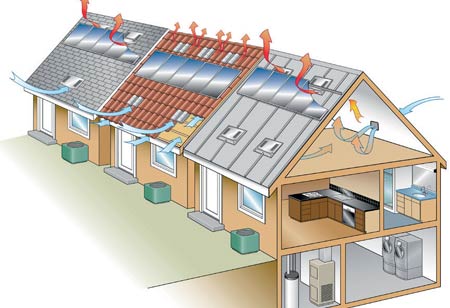
The first among O’Hagin’s foundational pillars is its productfocused ethos. The company’s pipeline features vents designed to integrate seamlessly with all types of roofing materials, including tile, shingle and metal.

For clay and concrete tile roofs, its two-piece system stands out with its wind resistance, ease of installation and eco-friendly design, free of toxic lead or plastic. The product utilizes a button-lock process that minimizes oxidation risks and ensures longevity. For composition roofs, O’Hagin’s low-profile vents seamlessly merge form and function, enhancing airflow without compromising aesthetic integrity. Crafted from premium materials like galvanized steel, aluminum or copper, the company’s products are designed to endure harsh conditions, further enhanced by pre-painted finishes that integrate effortlessly with roof colors. Additionally, their groundbreaking Climate-Resistant Series for shingles and standing seam metal roofs showcases the advanced fire risk mitigation and water intrusion protection that separates O’Hagin from other manufacturers.

Quality is emphasized in all O’Hagin products. The company only uses durable, non-combustible materials like galvanized steel, aluminum or copper to ensure a proper long-term solution that resists flames and embers. More importantly, O’Hagin’s stringent testing standards ensure functionality even under extreme conditions. O’Hagin is one of the only companies (if not the only company) to test products for wind-driven rain resistance up to 140 miles per hour, surpassing the industry standard of 110 miles per hour. The test simulates hurricane conditions, ensuring O’Hagin vents protect homes against rain infiltration even in extreme conditions. Moreover, the company is widely recognized as the industry leader in fire and ember testing, reinforcing its unparalleled testing record.

The product portfolio reflects its extensive real-world experience gained from installing millions of units worldwide and a commitment to innovation, demonstrated by dozens of patents and over 900 ventilation solution offerings.

Support Beyond Products

“Great products achieve their full potential only when complemented by exceptional service.”

O’Hagin takes this adage to heart and focuses keenly on the service side of its business, the second foundational pillar of its operation. Educational offerings, customer support and hands-on training complement O’Hagin’s solutions by providing value that goes beyond products.

The company addresses the needs of architects, builders and contractors through comprehensive training from O’Hagin University, its knowledge-building program. The course features four modules designed to educate professionals about the importance of attic ventilation and its benefits, providing the practical tools necessary to design/install a world-class system. Additionally, O’Hagin offers a continuing education program for architects, with 1.5 hours of continuing education credits, approved by the American Institute of Architects (AIA).

On the support side, the company offers comprehensive support to its clients, including Pre-Construction services. A dedicated team of specialists thoroughly reviews project-specific drawings, satellite images and other relevant documents provided by builders and design teams to provide innovative, practical, cost-saving advice. Leveraging advanced software and methodologies, O’Hagin calculates the precise number and the ideal placement of vents to create a balanced system. This valuable service is provided to clients at no cost, demonstrating O’Hagin’s commitment to customer satisfaction and efficient project planning.
Read more
Aegis Property Group: Proven Leadership in Project Management
Aegis Property Group
Aegis Property Group: Proven Leadership in Project Management
Meghan Madeira, partners
Aegis Property Group, a leading owner’s representative firm celebrating 45 years in business this year, stands out in the industry for its comprehensive portfolio of work, highly skilled team, longevity and reputation. Since its inception in 1980, Aegis has managed hundreds of projects in the Mid-Atlantic region and beyond, successfully delivering end results that align with each client’s vision.

“We spend time understanding our client’s goals and objectives, so we can tailor our services to each client’s distinctive needs,” says John Cacciola, president.

Aegis offers a wide range of services, from master and strategic planning, feasibility studies and assessments to full-scale project management through all phases of a project’s development. Aegis adapts its services to each client uniquely to ensure a level of service and accountability that meets a client’s internal needs and processes. A suite of proprietary project management tools and protocols, combined with a team possessing strong technical backgrounds in architecture, engineering, construction and facilities management, gives Aegis the ability to effectively handle any challenge that may arise during a project’s timeline.

The firm leverages this technical expertise to actively help solve issues that invariably pop up on projects. In one instance, Aegis helped a client overcome a significant structural issue that caused a roadblock on their project by tapping into the engineering expertise of an Aegis team member who provided guidance and collaborated with project team engineers to develop a solution.
Read more
State of Industry

Accelerating Residential and Commercial Construction Through Advanced Permitting Services

Construction permitting services speed approvals, reduce delays, leverage digital tools, and enable faster residential and commercial development with improved coordination and compliance.

Construction permitting services are transforming how residential and commercial projects move from concept to completion. In an environment where development demands are high and regulatory scrutiny is ever-present, these services help streamline processes, eliminate bottlenecks, and ensure projects remain on schedule. Through a blend of technology, expertise, and improved administrative practices, permitting services are reshaping the construction landscape so that builders, developers and local governments can focus on creating value rather than wrangling through red tape.

Streamlining the Permitting Process with Expertise

Professional expertise is central to the effectiveness of construction permitting services. Permit applications often involve complex regulatory requirements, extensive documentation, and coordination with multiple authorities overseeing zoning, safety, utilities, and environmental compliance. When these responsibilities are handled internally by design or construction teams, the likelihood of errors increases. Missing drawings, incorrect forms, or misinterpreted regulations can easily trigger rejections, pushing applications back in the review cycle and causing costly project delays.

Specialized permitting professionals bring deep familiarity with approval processes and agency expectations. By preparing submissions that meet regulatory standards from the outset, they significantly reduce the risk of revisions and resubmissions. This accuracy enables permits to be approved more quickly, allowing projects to progress from planning to construction without unnecessary interruptions. In addition, these professionals act as a central point of contact between developers and authorities, ensuring that questions, corrections, and clarifications are addressed promptly rather than stalling progress.

Permitting services also add value by managing multiple approvals simultaneously. Most construction projects require permits from several departments, each with its own review sequence and dependencies. Effective coordination is essential because delays in one approval can halt the entire project. By closely monitoring application status and maintaining regular follow-ups with reviewers, permitting professionals can prevent applications from stagnating. This proactive oversight allows developers to schedule labor, materials, and financing with greater confidence.

For commercial projects with strict deadlines tied to funding and occupancy plans, streamlined permitting can be decisive. Reducing waiting periods helps projects stay on schedule, control costs, and avoid disruptions that impact long-term project viability.

Digital Innovation and Technology Integration

Digital technology is reshaping construction permitting by replacing paper-intensive, time-consuming processes with faster, more transparent systems. Modern permitting services now rely on online platforms that allow applications to be submitted, tracked, and reviewed electronically. This shift improves efficiency for both applicants and regulatory bodies. Architects, builders, and developers can upload documents remotely, monitor approval status in real time, and communicate with officials through centralized portals. Greater visibility into permit progress reduces uncertainty around timelines and removes delays caused by repetitive paperwork or in-person submissions.

Advanced tools such as Building Information Modeling are further accelerating approvals by improving coordination and accuracy. BIM provides a comprehensive digital model that integrates architectural, structural, and mechanical elements into a single view. For permitting authorities, this enables faster code-compliance evaluation and early identification of design conflicts. Required modifications can be made directly within the model, eliminating the need for multiple drawing revisions and reducing back-and-forth communication. This clarity shortens review cycles and increases the likelihood of first-time approvals.

Additional innovation is emerging through automated compliance checks and real-time issue detection. Software powered by analytics and machine learning can flag missing data, identify regulatory violations, and forecast potential delays based on past permitting patterns. Integrated monitoring tools can also alert stakeholders when construction deviates from approved plans, enabling timely inspections and corrections. As artificial intelligence continues to advance, its role in preliminary plan reviews is expanding, helping reduce review times while supporting regulatory accuracy.

Economic and Development Benefits

Accelerating permitting through professional services and digital innovation has a measurable impact on local economies and the pace of development. Faster permit approvals mean that residential and commercial projects can break ground sooner, reducing the time between planning and revenue-generating use. Shortened timelines translate into lower overall project costs because labor, equipment and materials are deployed more efficiently. In addition, when developers can anticipate project timelines with greater accuracy, investment decisions become more predictable, and capital is allocated more effectively across portfolios.

From a broader perspective, efficient permitting systems contribute to increased economic activity. Construction is a major employment driver. By reducing delays, more projects get underway, creating jobs in construction, design, logistics, and related service sectors. Improved permitting also means that tax revenues from property development and commercial activity are realized sooner, providing fiscal benefits to local governments. For residential development, simpler and faster permitting can help address housing shortages by enabling more units to be built in less time. This is particularly important as demand continues to rise and communities seek ways to increase housing availability without sacrificing compliance or quality.

Construction permitting services are essential catalysts for efficient development. Their combination of professional permitting expertise, technological integration and performance-focused strategies reduces delays, enhances coordination and improves transparency. As the industry continues to adopt innovative tools and streamlined processes, stakeholders across residential and commercial sectors stand to benefit from faster project delivery and stronger economic outcomes.


Read more

The Rise of the Specification Specialist: Rewriting the Rules of Design-Build Collaboration

Specification writers are becoming essential in design-build teams, enhancing collaboration, reducing risks, and improving project outcomes through specialized expertise and early integration into the design process.

The function of the specification writer is transitioning from a supplementary duty for architects into an independent and essential profession. This transformation is fundamentally altering the collaborative dynamics within the design-build sector, promoting enhanced clarity, reducing potential risks, and improving project results. By incorporating specialized knowledge early and consistently throughout the project's duration, design-build teams are identifying a more efficient progression from initial concept to final realization.

Construction specifications were often treated as a late-stage documentation task, handled by the project architect or lead engineer, who, despite their design expertise, approached it as an extension of their primary duties. Relying heavily on master specifications—libraries of boilerplate text adapted for each project—this generalist approach was functional but limited. With the design team focused on spatial relationships, aesthetics, and systems engineering, specifications sometimes lacked the detailed, project-specific guidance needed for smooth execution. Ambiguities or outdated product information could create a disconnect between the design intent in the drawings and the practical instructions for construction, often leading to RFIs, change orders, and schedule delays as teams worked to resolve discrepancies in the field.

The Rise of the Specification Specialist

The modern construction industry increasingly views specification writing as a specialized discipline, with technological, regulatory, and risk management demands making the specification specialist essential, driven primarily by the growing complexity of contemporary buildings. Today’s structures function as intricate ecosystems, incorporating advanced materials, sophisticated mechanical, electrical, and plumbing (MEP) systems, and highly integrated technologies. From high-performance building envelopes to complex fire suppression networks and data infrastructure, the scope of technical knowledge required is vast. It is no longer reasonable to expect a generalist to maintain expert-level proficiency across all of these domains; specialized expertise has become essential.

The second factor is the increasingly stringent regulatory environment. Modern projects must navigate a dense network of building codes, life safety standards, accessibility requirements, and sustainability frameworks such as LEED and WELL. Staying current with these evolving mandates requires dedicated attention and effort. A specification professional ensures that project documentation is not only compliant but also strategically aligned to achieve performance goals.

Finally, the heightened importance of risk management has further elevated the role of the specification specialist. Clear, complete, and coordinated specifications serve as the primary safeguard against disputes and litigation. By reducing ambiguity and providing precise instructions, specifications protect owners, designers, and builders alike. This combination of legal rigor and technical clarity underscores the unique value that a professional specifier brings to every project.

The Specialist as a Collaboration Catalyst

The role of a professional specification writer extends far beyond drafting documents. Their most significant impact lies in strengthening the collaborative fabric of the design-build team. Acting as both a central communications hub and a bridge between design and construction, the spec writer ensures that ideas, technical requirements, and practical considerations are translated seamlessly across disciplines.

A professional spec writer serves as a translator of intent. They can transform the architect’s design vision and the engineer’s performance requirements into precise, actionable language. This clarity allows contractors to accurately price, procure, and construct the work, supported by specifications that serve as the contractual foundation for quality.

Spec writers, with their specialized focus on specifications, serve as essential guardians of quality and a critical checkpoint in project quality control. By carefully reviewing drawings and ensuring alignment with written requirements, they identify inconsistencies and potential conflicts before they escalate into costly issues during construction. This proactive oversight safeguards both project integrity and efficiency.

They are also material and systems experts. With deep knowledge of building products, systems, and materials, they offer unbiased guidance on performance, durability, cost, and availability. This expertise enables the design-build team to make well-informed decisions early in the process, striking a balance between design aspirations, budget constraints, and schedule demands.

Reshaping the Design-Build Workflow

Integrating a specification specialist transforms the project workflow from a linear sequence into a more dynamic and iterative process. Instead of writing the specifications after the design is complete, the specialist is brought into the fold during the earliest stages of project development.

This early integration enables concurrent discussions about materials, quality standards, and constructability during the schematic design phase, facilitating a seamless transition to the detailed design phase. The spec writer participates in design meetings, offering real-time feedback on the feasibility of proposed solutions. This proactive approach ensures that the design develops in harmony with the specifications, rather than being retrofitted to them.

The role of specifications is shifting from static text documents to dynamic data sources. Modern spec writers are adept at using sophisticated software platforms that integrate directly with Building Information Modeling (BIM). The specification is no longer a separate volume but a rich set of data embedded within the model itself. The specialist curates this data, creating a single source of truth that ensures consistency across all project documentation and provides a valuable asset for facility management long after construction is complete.

The increasing professionalization of specification writing represents a fundamental evolution in the methodology for creating the built environment. As project complexities escalate and performance requirements intensify, the demand for this specialized expertise will become increasingly critical. Within the most advanced project delivery paradigms, the specification writer is already recognized as an indispensable collaborator. These professionals serve as information architects, systematically organizing technical requirements. These risk managers ensure precision and adherence, and collaboration facilitators who integrate design and construction into a cohesive, high-performing unit. By embracing this specialized service, the design-build industry is achieving enhanced levels of efficiency, quality, and innovation, thereby ensuring that future constructions are not only aesthetically conceived but also impeccably executed.

Read more

Growth, Innovation, and Challenges: The State of the Land Surveying Industry

The land surveying consulting profession is critical to developing residential and commercial real estate, infrastructure, and public projects.

The land surveying consulting profession is critical to developing residential and commercial real estate, infrastructure, and public projects. Land surveyors provide crucial information for construction projects, property developments, and land ownership-related legal concerns. Land surveying firms are essential to the planning and designing of new buildings and redevelopment as urbanization and infrastructure developments expand globally. This ever-changing business has a plethora of opportunities and challenges, all of which are defining the future of land surveying consulting.

Technological Advancements and Efficiency

The incorporation of new technologies has dramatically altered the land surveying sector. Geographic Information Systems (GIS), drone surveying, and Global Positioning System (GPS) technologies improve data collecting and processing. These innovations allow surveyors to work more effectively and give accurate results in less time than traditional approaches. Drones, for example, enable the collection of high-resolution airborne data in remote or hazardous areas, minimizing the need for human labor.

Cloud-based software has also increased efficiency by allowing real-time communication. Surveyors may rapidly communicate data with customers, engineers, and architects, expediting decision-making and reducing turnaround time. This transition to digital solutions is vital as the sector fulfills the needs of new infrastructure projects requiring speed and accuracy.

Despite technical advancements, land surveying companies face complex regulatory and compliance issues. Surveyors must traverse a continuously changing landscape of municipal, state, and federal rules, which might vary dramatically based on the project's size, geographic location, and land use type. Compliance with zoning laws, environmental restrictions, and other legal frameworks takes time and money.

This difficulty is especially acute for enterprises working on big, multi-jurisdictional projects, as understanding and managing the unique regulatory requirements for each location necessitates substantial legal knowledge and collaboration with many government authorities. Failure to meet these requirements can result in project delays, legal penalties, and unforeseen costs.

To overcome these issues, many businesses are investing in specialized software systems for managing regulatory compliance. Surveyors can use these tools to monitor legislation changes and obtain real-time updates on compliance standards. Firms are also developing strong partnerships with legal professionals and regulators to guarantee they meet all legal standards across many jurisdictions. By combining technology and expert insights, firms can reduce compliance risks while keeping projects on track.

Addressing the Demand for Sustainability

As the demand for environmentally sensitive construction projects grows, so does the importance of sustainability in the land surveying sector. Surveyors are frequently responsible for surveying land for environmental risks, conducting site inspections, and ensuring construction projects adhere to sustainable principles. Surveyors play an increasingly important role in the early stages of construction planning, notably in land use and environmental compliance, as green building standards and sustainability certificates become more widely used.

Several surveying companies are broadening their offerings to include environmental evaluations and sustainability advice to fulfill this demand. These services assist developers in adhering to the strict regulations required for environmentally friendly building projects. Surveyors now work with environmental professionals to conduct thorough site evaluations considering water quality, soil stability, and biodiversity. As sustainability becomes a marketable advantage for new developments, land surveying businesses that embrace this trend will be better positioned to attract a larger client base.

A significant difficulty in the land surveying consultancy industry is a lack of competent experts. As the demand for surveying services grows, many organizations struggle to recruit qualified individuals; especially as experienced surveyors retire, resulting in a labor shortage. This shortage has resulted in a competitive labor market, with companies providing greater wages and more benefits to attract and retain top people.

Many surveying firms collaborate with universities and technical colleges to provide internships, apprenticeships, and hands-on training to bridge the skills gap. These initiatives are critical in developing the next generation of surveyors, ensuring they are equipped to meet the industry's growing demand while maintaining the high accuracy and professionalism required for success.

Opportunities for Growth

Despite the hurdles, the land surveying consulting market is poised for expansion. As urbanization grows and infrastructure requirements change, surveyors will be in high demand, supporting projects such as residential developments, transit infrastructure, and renewable energy efforts. Sustainability is a crucial priority, and companies that provide specialized services such as environmental evaluations and sustainable land use planning will stand out in a competitive market.

Expansion into new markets creates additional growth prospects, mainly as regions invest in infrastructure development. Firms that handle complex regulatory regimes and technology requirements will win new business in established and growing areas. The land surveying consultancy industry is fast transforming, fueled by technological innovation and shifting consumer expectations. While challenges remain, such as compliance and workforce shortages, there are significant prospects for expansion. Firms may succeed in the coming years by using technology, addressing worker demands, and adopting new trends.

Read more

Innovations Shaping Modern Construction Management

In the ever-changing world of construction and development, project management and owner's representative services have grown critical to project success.

In the ever-changing world of construction and development, project management and owner's representative services have grown critical to project success. As market demand grows, parties ranging from developers and investors to contractors face new obstacles. At the same time, they are presented with new prospects and improvements that can help them move their initiatives forward in an effective, environmentally friendly, and cost-effective way.

Project management and owner's representative firms are implementing various innovative solutions to address these difficulties. One of the most significant developments has been using artificial intelligence (AI) & machine learning (ML) in project planning and execution. AI-powered systems can detect issues such as supply chain disruptions and schedule conflicts before they occur. These solutions enable project managers and owner representatives to make better judgments, lowering the chance of costly errors and delays.

Another developing trend is the increased usage of cloud-based project management solutions, allowing real-time collaboration and data sharing among all parties involved. These platforms enable stakeholders, regardless of location, to track progress, view critical documents, and engage with the project team. The real-time nature of these solutions guarantees that everyone is on the same page, encouraging openness and allowing concerns to be handled swiftly.

Drones and autonomous technologies are also impacting project management in the construction industry. Drones are helpful for aerial assessments of building projects, as they provide exact measurements and allow for little interruption. Furthermore, using self-driving cars and equipment lowers labor costs and improves site safety since machines are increasingly employed for material delivery, excavation, and site inspections.

Innovative ideas have acquired significant popularity in the domain of project cost management. Advanced cost monitoring and budgeting software have become more complex, with capabilities allowing for dynamic changes as the project advances. These technologies enable project managers and owners' representatives to identify cost overruns in real-time and make the required modifications before the budget spirals out of control.

Sustainability-focused practices are another area in which the sector is making progress. The introduction of new, sustainable building supplies, as well as the incorporation of green building certifications like LEED, is altering construction methods. Owner's representatives are increasingly entrusted with advising developers through the process of attaining sustainability objectives, such as selecting energy-efficient technology and reducing waste. As governments and organizations promote green efforts, construction businesses respond by creating smarter, more sustainable developments that appeal to environmentally concerned consumers.

There are various prospects in the project management and owner's representative industries. BIM technology use is likely to increase further, providing all stakeholders with a highly comprehensive digital model of a construction project. BIM simplifies the design and construction processes, minimizes mistakes, and enhances coordination among all parties involved, resulting in more efficient workflows and higher-quality completed products.

Another big potential is the growing need for smart infrastructure and buildings. Developers increasingly incorporate smart technology like automated controls, energy-efficient systems, and IoT sensors into projects. Owners' representatives have the chance to help their customers integrate this innovative technology and ensure that their investments result in improved building performance and long-term value.

Furthermore, prefabrication and modular building are becoming more popular since they save money and speed up construction projects. By being manufactured off-site and installed on-site, prefabricated components lower labor costs and minimize delays caused by bad weather. This trend presents the prospect of shorter timeframes and more predictable outcomes for owner representatives and project managers.

Another vital growth sector is infrastructure renewal and urban redevelopment. Initiatives that rejuvenate and alter urban areas are predicted to expand as cities deal with aged infrastructure and a growing demand for urban housing. Project managers and owner representatives have many options to work on well-known projects that meet the needs of contemporary urban populations and support cities' long-term sustainability.

The fields of owner's representation and project management are negotiating a quickly evolving environment fueled by emerging technology, growing expectations, and complex problems. Project managers and owner representatives will continue to be vital in determining the future of the built environment by embracing new ideas, adjusting to market needs, and encouraging cooperation.

They need a mix of technical skills in AI and data literacy and familiarity with advanced project management methodologies, such as Agile or Lean. Skills in change management are crucial for leading teams through transitions, educating stakeholders, and managing resistance to new technologies. Strong communication and problem-solving abilities are essential for teamwork and effective decision-making. A commitment to continuous learning is vital for staying updated on emerging technologies, industry trends, and best practices to adapt to the evolving landscape of construction management and enhance project outcomes.

Read more

The Future of Attic Ventilation: Sustainability Meets Technology

Adequate attic ventilation is crucial for enhancing the overall performance and longevity of a home’s roofing system. Over time, innovations in building materials and technologies have led to various ventilation solutions tailored to meet different environmental conditions, home designs, and energy-efficiency goals. As the need for sustainable, cost-effective solutions grows, homeowners and builders can access various advanced systems designed to optimize airflow and protect the home’s structure.

The attic ventilation industry is transforming significantly, driven by key factors influencing consumer demand and technological innovation. Advancements in smart home technology have also influenced attic ventilation systems. Integrating sensors, thermostats, and automation allows for real-time adjustments to ventilation based on factors such as temperature, humidity, and air circulation. These smart-systems enable greater control over attic conditions, resulting in energy savings and improved performance without requiring constant manual adjustments. As consumers become more familiar with the benefits of smart home devices, the demand for automated ventilation solutions continues to rise.

The growing trend of sustainability has further impacted the attic ventilation market. Green building practices, including eco-friendly materials and energy-efficient designs, are increasingly incorporated into attic ventilation solutions. Manufacturers are developing systems aligning with environmentally conscious construction standards, such as passive house designs and integrating solar energy. In addition, rising demand for products that utilize recycled or low-impact materials contributes to a more sustainable built environment.

Low-maintenance ventilation systems are also gaining popularity. With consumers looking for hassle-free solutions, products like solar-powered attic fans have become more attractive. These systems provide a sustainable, cost-effective alternative to traditional fans, requiring minimal upkeep and the added benefit of utilizing renewable energy. As more homeowners seek solutions that reduce long-term maintenance and operational costs, low-maintenance ventilation options are expected to grow in demand.

Regional variations in climate are influencing preferences for specific attic ventilation solutions. In colder regions, there is greater demand for systems designed to prevent ice dams and enhance insulation. In warmer climates, the focus shifts toward improving airflow and reducing heat buildup. Manufacturers are responding to these regional needs by developing more specialized products tailored to the unique challenges posed by different environmental conditions, ensuring the continued growth and diversification of the market.

A primary challenge with attic ventilation systems is improper installation, including incorrect vent placement and poor sizing. If vents are placed too far apart or not appropriately balanced, airflow becomes restricted, and the system fails to perform effectively. This can result in excessive heat buildup, moisture accumulation, roofing materials, and insulation damage. The industry has improved design guidelines and installation manuals for better vent placement and sizing. New technologies now include advanced software tools that help architects and contractors calculate the correct amount of ventilation needed based on attic size and design.

Over time, trash, such as leaves and twigs, can block vents, reducing airflow and causing a significant decrease in ventilation efficiency. This issue is especially problematic for passive systems that depend on natural airflow, as any blockage impedes the system’s ability to regulate temperature and moisture levels. Modern vent designs now incorporate mesh screens or filters that control debris from entering the system. These features help keep vents clear and reduce maintenance needs. Some newer systems have self-cleaning mechanisms that use airflow or small motors to remove any debris that may accumulate, ensuring consistent airflow. These design upgrades minimize the need for frequent inspections and reduce the risk of blockages.

Attic ventilation systems often struggle under extreme weather conditions. Passive ventilation systems can become ineffective in regions with high humidity, leading to attic condensation buildup. In colder climates, insufficient ventilation can lead to ice dams. These form when warm air escapes the attic, driving snow on the roof to melt and then refreeze at the eaves, which can result in structural damage. Manufacturers have developed hybrid systems combining passive and active ventilation to address these weather-related challenges. These systems include sensors that monitor temperature and humidity, automatically adjusting airflow as needed. Additional insulation or heat-reflective barriers in cold climates help regulate attic temperature, reducing the risk of ice dams. Solar-powered attic fans with smart controls can adapt to changing weather conditions, providing more consistent performance.

A further challenge involves the durability and lifespan of attic ventilation systems. Many systems are exposed to harsh weather conditions, such as intense sun, heavy rainfall, or freezing temperatures, which can cause wear and tear over time. Attic fans, especially those powered by solar energy, can be prone to degradation, affecting their long-term effectiveness. Manufacturers are addressing this by improving the materials used in construction and incorporating more durable components. Advanced solar panel technology have led to more robust and longer-lasting solar-powered attic fans, reducing the need for frequent replacements and ensuring consistent performance.

The growing demand for innovative, adaptable, and energy-efficient solutions signals an exciting future for the end, which will continue improving home performance and environmental responsibility. As technology progresses, homeowners will have access to increasingly efficient, cost-effective, and low-maintenance ventilation solutions, ultimately fostering healthier and more resilient living environments.

Read more

Innovations Shaping Modern Construction Management

In the ever-changing world of construction and development, project management and owner's representative services have grown critical to project success.

In the ever-changing world of construction and development, project management and owner's representative services have grown critical to project success. As market demand grows, parties ranging from developers and investors to contractors face new obstacles. At the same time, they are presented with new prospects and improvements that can help them move their initiatives forward in an effective, environmentally friendly, and cost-effective way.

Project management and owner's representative firms are implementing various innovative solutions to address these difficulties. One of the most significant developments has been using artificial intelligence (AI) & machine learning (ML) in project planning and execution. AI-powered systems can detect issues such as supply chain disruptions and schedule conflicts before they occur. These solutions enable project managers and owner representatives to make better judgments, lowering the chance of costly errors and delays.

Another developing trend is the increased usage of cloud-based project management solutions, allowing real-time collaboration and data sharing among all parties involved. These platforms enable stakeholders, regardless of location, to track progress, view critical documents, and engage with the project team. The real-time nature of these solutions guarantees that everyone is on the same page, encouraging openness and allowing concerns to be handled swiftly.

Drones and autonomous technologies are also impacting project management in the construction industry. Drones are helpful for aerial assessments of building projects, as they provide exact measurements and allow for little interruption. Furthermore, using self-driving cars and equipment lowers labor costs and improves site safety since machines are increasingly employed for material delivery, excavation, and site inspections.

Innovative ideas have acquired significant popularity in the domain of project cost management. Advanced cost monitoring and budgeting software have become more complex, with capabilities allowing for dynamic changes as the project advances. These technologies enable project managers and owners' representatives to identify cost overruns in real-time and make the required modifications before the budget spirals out of control.

Sustainability-focused practices are another area in which the sector is making progress. The introduction of new, sustainable building supplies, as well as the incorporation of green building certifications like LEED, is altering construction methods. Owner's representatives are increasingly entrusted with advising developers through the process of attaining sustainability objectives, such as selecting energy-efficient technology and reducing waste. As governments and organizations promote green efforts, construction businesses respond by creating smarter, more sustainable developments that appeal to environmentally concerned consumers.

There are various prospects in the project management and owner's representative industries. BIM technology use is likely to increase further, providing all stakeholders with a highly comprehensive digital model of a construction project. BIM simplifies the design and construction processes, minimizes mistakes, and enhances coordination among all parties involved, resulting in more efficient workflows and higher-quality completed products.

Another big potential is the growing need for smart infrastructure and buildings. Developers increasingly incorporate smart technology like automated controls, energy-efficient systems, and IoT sensors into projects. Owners' representatives have the chance to help their customers integrate this innovative technology and ensure that their investments result in improved building performance and long-term value.

Furthermore, prefabrication and modular building are becoming more popular since they save money and speed up construction projects. By being manufactured off-site and installed on-site, prefabricated components lower labor costs and minimize delays caused by bad weather. This trend presents the prospect of shorter timeframes and more predictable outcomes for owner representatives and project managers.

Another vital growth sector is infrastructure renewal and urban redevelopment. Initiatives that rejuvenate and alter urban areas are predicted to expand as cities deal with aged infrastructure and a growing demand for urban housing. Project managers and owner representatives have many options to work on well-known projects that meet the needs of contemporary urban populations and support cities' long-term sustainability.

The fields of owner's representation and project management are negotiating a quickly evolving environment fueled by emerging technology, growing expectations, and complex problems. Project managers and owner representatives will continue to be vital in determining the future of the built environment by embracing new ideas, adjusting to market needs, and encouraging cooperation.

They need a mix of technical skills in AI and data literacy and familiarity with advanced project management methodologies, such as Agile or Lean. Skills in change management are crucial for leading teams through transitions, educating stakeholders, and managing resistance to new technologies. Strong communication and problem-solving abilities are essential for teamwork and effective decision-making. A commitment to continuous learning is vital for staying updated on emerging technologies, industry trends, and best practices to adapt to the evolving landscape of construction management and enhance project outcomes.

Read more
Leadership Perspective
 Applying OSHA Code in the home services and contracting ecosystem
Applying OSHA Code in the home services and contracting ecosystem
,

Code of Federal Regulation & OSHA standards are written with a fairly black and white perspective and often refer to specific tabulated data for direction on items such as PELs (Permissible Exposure Limits) for environmental, respiratory and nose hazards.  These hazards are easily measured and protected against, through common hierarchy of control means in workplace environments such as manufacturing, packaging and warehousing. With that, how does a contractor protect its front-line personnel in workplace environments such as the residential construction/repair and the home services sector? 

Drive down the street in a residential neighborhood and look at 100 homes. Of those 100 homes, there are 100 vastly different work environments. For the residential or home services contractor, each time they go to work, they could potentially encounter a different quantity of hazard that OSHA has meticulous PEL detail on. Compare this to an employee in a manufacturing environment that operates at a single workstation that produces a consistent amount of measurable hazard(s) day in and day out.

A Job Hazard Assessment is the bell weather exercise in determining what level of protection is required to safeguard an employee during the scope of work they are completing.  Referring again to the example above of an employee working at a station in a manufacturing facility; this JHA exercise can be done once (or periodically) and will remain relevant until the machine or process changes. When a service tech is called to a home to diagnosis and repair a plumbing, electrical or HVAC system (for example), they are not going into an environment with a prepared JHA for hazards they may encounter. The unknown is unknown.

Our employees who are deployed to work in unfamiliar atmospheres must assume the worst and prepare for an atmosphere that contains upper PELs of hazards.  We as the employer must establish standard operating procedures for employee protection derived from JHAs taken from a substantial sample of similar work environments.

Read more
Diversity in the World of Construction
Spartan Group
Diversity in the World of Construction
Vanessa Vanni, Vice President of Operations/Manufacturing

Most leaders today focus on creating strategies, processes, and methods to improve the productivity and motivation of their staff. We constantly search for answers to questions cultivated from the attitudes and reactions of our employees, colleagues, or partners without considering the thoughts and feelings influenced by a person's culture or ethnicity. Often in our work environment, we read an off-color email and think, “How could this person write something so rude?” when, in fact, the individual was simply being honest and objective, largely influenced by their professional and personal culture.

Many times, I receive calls from employees, colleagues, or supervisors complaining about another person’s speech or behavior. I respond by asking if they’ve shared their point of view or at least tried to understand the other person's position. Most often, I am met with a negative response. It seems it is taboo to question or express an opinion of another person’s perceived improper action. It appears it is easier to communicate a toxic opinion, often cascading to the rest of the team, than to face a painful situation and communicate efficiently to resolve differences or misunderstandings. In other situations, explaining the importance of not taking comments or discussions negatively, applying emotional intelligence, and finding a positive aspect of each experience could be a very effective approach.

Losing sight of the fact that we live and work in a diverse environment makes it difficult to recognize different situational conditions, subsequently creating various perspectives. Ultimately, the vast array of perspectives and perceptions makes it difficult to create highly collaborative teams. This is where a leader can make a lasting difference by recognizing the distinguishing attributes of their team members, offering effective guidance and coaching, and extracting the best potential from each team member to meet the goals and objectives set. Considering the culture in a work environment so that a team has the most accurate vision and perception ensures solid relationships between all stakeholders.

When leading a diverse organization, it is difficult to achieve a perfectly “culturally balanced” and "high-performance" work team, no matter how many case studies are read or how much knowledge and training is received. 

Read more
Asking Too Much From the Land
Lennar
Asking Too Much From the Land
Steven Jackson, Director of Land Acquisition

I remember standing below a 15-foot-tall retaining wall that ran the full depth and half the rear width of a roughly 14,000-square-foot residential building pad. Like the wall, most of the project it was part of was built before I was given management responsibility. Building that wall will probably cost approximately $80,000.

I couldn’t help but wonder if we had, given the extra cost, made any money on it. And, more importantly, had anyone even gone to the trouble of determining whether we would?

As developers, we are taught to approach real estate projects like any other type of investment, and rightly so. The same elements of investment apply, and truly, whether a real estate project possesses groundbreaking design elements or very simple aesthetics, the bottom line, no pun intended, is that it must achieve the desired return. In my experience, though, I’ve seen too many examples where developers do not behave rationally as they should and instead simply equate maximum revenue (or, more simply, maximum unit yield) to maximum profit.

My argument is simple: for any given parcel of land, there is an ideal financial profit, and it rarely, if ever, exists at maximum yield.

If you remember your economics courses, you will recall the concepts of marginal cost (MC) and marginal revenue (MR), marginal cost being that extra cost for one more unit of production, and marginal revenue being that extra revenue received for one more unit of production. You will also remember that profit is maximized when MC = MR. How do we apply this concept to the reality of for-sale residential real estate? If we set the x-axis of that classic MR/MC curve to the proposed parcel yield, it becomes clearer. Even though total revenue increases with yield, marginal costs will typically increase exponentially for those last few units. Squeezing in those last few lots typically requires some extraordinary engineering element or design consideration and regularly condemns developers and projects to miss or underperform the expected returns. And unfortunately, these decisions sometimes decide if the project winds up being profitable at all.

The question turns to the origins of those exponentially higher costs. In my experience, they fall into two categories: "conspicuous” and “inconspicuous.” Conspicuous costs include things such as:

● Creek crossings were created to get access to additional parts of a parcel.

● Retaining walls are built to create additional “useable” lot areas where the existing topography doesn’t naturally support it.

● Road improvements are required to obtain these higher yields. Inconspicuous causes are less tangible and can be more difficult to recognize and evaluate.

Read more
Navigating the Landscape of Retail Project Management: Strategies for Success
Brixmor Property Group [NYSE: BRX]
Navigating the Landscape of Retail Project Management: Strategies for Success
T.J. McKeever, Senior Project Manager

T.J. McKeever is a civil engineer with extensive experience in commercial project management. Over the past five years, he has been a valuable member of Brixmor Property Group, focusing on Retail Project Management within the Tri-State area, encompassing New York, New Jersey, and Connecticut. In his role, T.J. manages projects from the initial stages of cost estimation and due diligence to turnover and completion. He oversees project budgets and schedules, ensuring that every decision made during the building process is quantifiable and aligned with the project's goals. His expertise and attention to detail contribute significantly to successfully executing retail projects in a highly competitive market. Through this article, T.J. McKeever shares his insights on effective retail project management, emphasizing the importance of utilizing technology tools like PlanGrid and Procore for tracking progress. He discusses risk management strategies and the role of digital twins in infrastructure projects. He advises young professionals, highlighting the value of on-site experience and proactive decision-making in navigating construction challenges.

Essential Tools for Tracking Project Progress

To ensure project milestones are met—most notably, opening on time—it's essential to stay updated on the latest project management technologies. My favorite tools include PlanGrid, Procore, Microsoft OneNote, eBuilder, and TrueLook Construction Site Cameras.

PlanGrid is a valuable software tool for drawing sheet management and schedule tracking. Its intuitive interface makes uploading drawing revisions throughout the project accessible. Procore is the market leader in construction project management software; approximately 90 percent of the general contractors we collaborate with already use it. This prevalence means it’s present on most of our projects, whether we like it or not. Procore is particularly beneficial for Site Superintendents, allowing them to update daily progress photos from the field and efficiently manage RFIs (Requests for Information) and submittals.

Microsoft OneNote is also an essential resource for project management, especially in our hybrid work environment. It excels at managing field notes, as all changes are saved to the cloud and accessed from job sites on tablets or the office. While these project management software tools are my primary go-to, I incorporate generative AI tools more frequently each week to enhance efficiency and streamline processes.

My Approach to Risk Management in Construction Projects

The best way to manage risk as an owner’s representative is to collaborate with trusted partners and vendors who prioritize integrity. When you hire the right architect or general contractor, the project tends to run smoothly, helping you avoid many common pitfalls of construction, such as permitting delays, unmet expectations, cost overruns, and utility issues.

While some level of risk is always present when putting a pencil to a blueprint or a shovel in the ground, minimizing risk exposure significantly increases the likelihood of completing the project on time and achieving the desired return on investment.

[QUOTE1_Replace]

The regulatory environment is constantly evolving. For example, I dealt with a gas service moratorium in Westchester County, NY, affecting five retail centers for the past five years. It was finally lifted earlier this year, which was a considerable relief; however, many professionals in the area remain skeptical that the local utility company won’t reverse course and refuse new or expanded gas services again soon as attitudes shift around fossil fuels.

In a world of uncertainty, having the right players on your team is crucial to weather any storm.

Adapting to Unforeseen Circumstances in Project Management

Unforeseen circumstances are an inherent part of the construction landscape. Maintaining a healthy skepticism about what can go wrong helps prepare you as a project manager.

A recent example comes to mind. We had just completed a 7,000-square-foot ground-up retail building with two tenants when the electric utility company informed us that we needed to install a 7-foot-tall concrete "blast wall" around the electric transformer. The biggest challenge was that this blast wall would obstruct the visibility and curbside appeal of the bank tenant’s storefront.

Ultimately, we had to comply with the utility company's requirement to ensure the activation of electric service. However, we collaborated with our tenant to design the wall's exterior to align with the building's design features, incorporating red brick and additional aesthetic elements. We also added landscaping, including bushes, to enhance its visual appeal.

Had we contested the power company’s demand, it would have delayed the activation of permanent power for the building, pushing back the opening for both eager tenants. This experience taught us how to make the most of an unexpected situation.

The Impact of Digital Twins on Future Infrastructure Projects

As we advance into a future shaped by the Internet of Things (IoT), green technologies, and other innovative solutions, digital twins will play a crucial role in infrastructure projects. They allow developers and urban planners to visualize the potential impacts of their designs before construction begins and costs are incurred.

Having the flexibility to gather comprehensive information about an intended project in advance can significantly help us mitigate the unforeseen circumstances that often arise during construction. Unfortunately, we can never eliminate them. When dealing with the logistical challenges of infrastructure projects in densely populated or high-traffic areas, digital twins become invaluable. They assist us in understanding coordination issues, establishing temporary thoroughfares during construction, and identifying potential blind spots or gaps in our designs.

Advice for Young Professionals in Construction

Get out in the field! The best teacher is experienced; the quickest way to learn how things are built is to see it in person. As you progress in your career, you'll encounter fewer opportunities to work on-site and interact with real estate professionals who truly understand the technical aspects of construction. Use this to your advantage while you can.

Another valuable advice I can offer is: “Action breeds confidence.” You’re always better off deciding and following through rather than hesitating due to uncertainty. The quicker you take action, the faster you learn, and the more confident—and competent—you become.

Read more
Why Companies Should Challenge their Suppliers to Operate Sustainably
Advanced Drainage Systems, Inc
Why Companies Should Challenge their Suppliers to Operate Sustainably
Nicole Voss, Director of Sustainability

Companies across industries, including the construction business, are making incredible strides in reducing greenhouse gas emissions, creating more sustainable products and infrastructure solutions, and building more energy-efficient buildings and structures across the globe.

But as construction and infrastructure continue to grow, our industry must find more ways to become more environmentally friendly if we truly want to succeed in creating a zero-emissions industry. According to the World Economic Forum, the built environment already accounts for 39% of annual worldwide carbon emissions.

One important way to do that is for leading companies to work closely with their partners and suppliers to help them tackle environmental sustainability goals. Implementing supplier Codes of Conduct can accomplish that, and I believe it’s time our industry truly began to embrace those codes.

What, exactly, does that mean? At Advanced Drainage Systems (ADS), for example, we considered our commitment to protecting the world’s most precious resource—water. We realized that being conscious consumers was an important part of our environmental commitment.

ADS is a leading provider of innovative water management solutions in the stormwater and on-site septic wastewater industries, protecting communities with products used in various markets and applications, including commercial, residential, and infrastructure. With that influence as a leader in our market, ADS can choose to spend our purchasing dollars with companies that share our values and agree to operate by the standards we set for ourselves.

[QUOTE1_Replace]

Last year, we officially launched our first-ever Supplier Code of Conduct. The code lays out ADS’s expectations for its suppliers, ranging from environmental protections to safeguards for employees’ safety and human rights. We’ve been working on this project for quite some time, and I’m happy to see it finally come into being.

To put it more bluntly, our supply chain matters. I believe what we’ve done can help others in the construction industry tackle this challenge with their supplier partners.

It can start this way: our Supplier Code mirrors our own ADS Code of Conduct. It limits and requires more detailed reporting of a supplier’s greenhouse gas emissions, which are the primary drivers of climate change. It requires the preservation and protection of water by reducing water consumption, minimizing wastewater and water pollution, and sustainably managing stormwater. It also compels suppliers to minimize single-use plastics and identify opportunities for recycling and reuse.

It includes protections for people, including fair compensation, discrimination—and harassment-free workplaces, and zero tolerance for child labor. Other requirements revolve around ethical business practices and transparency.

To be clear, we did not create this code to become an overbearing purchaser. We think many of our suppliers already meet or exceed our requirements. And we believe that our suppliers should already be operating in the way we’ve outlined.

We want to do business with companies that uphold the same principles we do. It would be difficult to call ourselves protectors of the environment if our products and facilities were made from materials that were unethically sourced or produced.

For those suppliers who are not quite there yet, it presents an opportunity for companies like ours to help them grow and join us on our path to improving the world, one pipe at a time and one supplier at a time. It’s the next step in our growth as responsible corporate citizens. And because it’s also simply the right thing to do, I’d encourage other leaders in our industry to work closely with their suppliers to bring climate initiatives to the fore.

Read more
Navigating the Landscape of Retail Project Management: Strategies for Success
Brixmor Property Group [NYSE: BRX]
Navigating the Landscape of Retail Project Management: Strategies for Success
T.J. McKeever, Senior Project Manager

T.J. McKeever is a civil engineer with extensive experience in commercial project management. Over the past five years, he has been a valuable member of Brixmor Property Group, focusing on Retail Project Management within the Tri-State area, encompassing New York, New Jersey, and Connecticut. In his role, T.J. manages projects from the initial stages of cost estimation and due diligence to turnover and completion. He oversees project budgets and schedules, ensuring that every decision made during the building process is quantifiable and aligned with the project's goals. His expertise and attention to detail contribute significantly to successfully executing retail projects in a highly competitive market. Through this article, T.J. McKeever shares his insights on effective retail project management, emphasizing the importance of utilizing technology tools like PlanGrid and Procore for tracking progress. He discusses risk management strategies and the role of digital twins in infrastructure projects. He advises young professionals, highlighting the value of on-site experience and proactive decision-making in navigating construction challenges.

Essential Tools for Tracking Project Progress

To ensure project milestones are met—most notably, opening on time—it's essential to stay updated on the latest project management technologies. My favorite tools include PlanGrid, Procore, Microsoft OneNote, eBuilder, and TrueLook Construction Site Cameras.

PlanGrid is a valuable software tool for drawing sheet management and schedule tracking. Its intuitive interface makes uploading drawing revisions throughout the project accessible. Procore is the market leader in construction project management software; approximately 90 percent of the general contractors we collaborate with already use it. This prevalence means it’s present on most of our projects, whether we like it or not. Procore is particularly beneficial for Site Superintendents, allowing them to update daily progress photos from the field and efficiently manage RFIs (Requests for Information) and submittals.

Microsoft OneNote is also an essential resource for project management, especially in our hybrid work environment. It excels at managing field notes, as all changes are saved to the cloud and accessed from job sites on tablets or the office. While these project management software tools are my primary go-to, I incorporate generative AI tools more frequently each week to enhance efficiency and streamline processes.

My Approach to Risk Management in Construction Projects

The best way to manage risk as an owner’s representative is to collaborate with trusted partners and vendors who prioritize integrity. When you hire the right architect or general contractor, the project tends to run smoothly, helping you avoid many common pitfalls of construction, such as permitting delays, unmet expectations, cost overruns, and utility issues.

While some level of risk is always present when putting a pencil to a blueprint or a shovel in the ground, minimizing risk exposure significantly increases the likelihood of completing the project on time and achieving the desired return on investment.

[QUOTE1_Replace]

The regulatory environment is constantly evolving. For example, I dealt with a gas service moratorium in Westchester County, NY, affecting five retail centers for the past five years. It was finally lifted earlier this year, which was a considerable relief; however, many professionals in the area remain skeptical that the local utility company won’t reverse course and refuse new or expanded gas services again soon as attitudes shift around fossil fuels.

In a world of uncertainty, having the right players on your team is crucial to weather any storm.

Adapting to Unforeseen Circumstances in Project Management

Unforeseen circumstances are an inherent part of the construction landscape. Maintaining a healthy skepticism about what can go wrong helps prepare you as a project manager.

A recent example comes to mind. We had just completed a 7,000-square-foot ground-up retail building with two tenants when the electric utility company informed us that we needed to install a 7-foot-tall concrete "blast wall" around the electric transformer. The biggest challenge was that this blast wall would obstruct the visibility and curbside appeal of the bank tenant’s storefront.

Ultimately, we had to comply with the utility company's requirement to ensure the activation of electric service. However, we collaborated with our tenant to design the wall's exterior to align with the building's design features, incorporating red brick and additional aesthetic elements. We also added landscaping, including bushes, to enhance its visual appeal.

Had we contested the power company’s demand, it would have delayed the activation of permanent power for the building, pushing back the opening for both eager tenants. This experience taught us how to make the most of an unexpected situation.

The Impact of Digital Twins on Future Infrastructure Projects

As we advance into a future shaped by the Internet of Things (IoT), green technologies, and other innovative solutions, digital twins will play a crucial role in infrastructure projects. They allow developers and urban planners to visualize the potential impacts of their designs before construction begins and costs are incurred.

Having the flexibility to gather comprehensive information about an intended project in advance can significantly help us mitigate the unforeseen circumstances that often arise during construction. Unfortunately, we can never eliminate them. When dealing with the logistical challenges of infrastructure projects in densely populated or high-traffic areas, digital twins become invaluable. They assist us in understanding coordination issues, establishing temporary thoroughfares during construction, and identifying potential blind spots or gaps in our designs.

Advice for Young Professionals in Construction

Get out in the field! The best teacher is experienced; the quickest way to learn how things are built is to see it in person. As you progress in your career, you'll encounter fewer opportunities to work on-site and interact with real estate professionals who truly understand the technical aspects of construction. Use this to your advantage while you can.

Another valuable advice I can offer is: “Action breeds confidence.” You’re always better off deciding and following through rather than hesitating due to uncertainty. The quicker you take action, the faster you learn, and the more confident—and competent—you become.

Read more

Pre-Construction Services Info

Q1
What Do Top Pre-Construction Services Companies Typically Provide?
Top Pre-Construction Services Companies help owners, developers and contractors plan construction projects before field work begins. Their work may include feasibility analysis, conceptual estimating, permitting coordination, scheduling, constructability reviews, procurement planning and design coordination. In large commercial projects, this phase often plays a major role in determining whether budgets, timelines and labor assumptions stay practical once construction begins. Many firms also support value engineering, subcontractor coordination and risk analysis during the early design stages. The strongest providers usually help close communication gaps between architects, engineers, project owners and construction teams instead of working separately as isolated estimating consultants.
Q2
Why Does Demand for Top Pre-Construction Services Companies Continue to Grow?
Demand has increased as projects become more expensive, technically layered and schedule-sensitive. Rising material costs, labor shortages and permitting delays have made early-stage planning far more consequential than it was a decade ago. Construction Business Review’s coverage of the category also reflects growing attention on infrastructure work, clean energy projects and large mixed-use developments across the U.S. market. Owners today are trying to avoid the kind of mid-project redesigns, procurement disruptions and cost overruns that often come from gaps in early planning. Pre-construction teams are now expected to carefully evaluate pricing volatility, sequencing constraints and jurisdiction-specific permitting conditions before projects move from planning into execution.
Q3
How Should Enterprises Evaluate Pre-Construction Services Providers?
Enterprises comparing Top Pre-Construction Services Companies should look beyond estimating accuracy alone. The more revealing factors are coordination depth, documentation discipline and the provider’s ability to anticipate project friction before construction mobilization begins. A capable firm usually brings experience with local permitting conditions, subcontractor market realities and design coordination under compressed timelines. Buyers also often look closely at how providers handle revisions during the schematic and design development phases. On complex projects, weak communication between design teams and field teams can easily lead to expensive downstream change orders. Technology use also matters, especially when it comes to BIM coordination, schedule visualization and document management. At the same time, software alone rarely makes up for poor project judgment or fragmented communication between stakeholders.
Q4
What Business Value Do Top Pre-Construction Services Companies Deliver?
The value is often seen more in the costs avoided than in visible construction activity itself. Better sequencing decisions can reduce periods of idle labor. Early procurement planning may help avoid material delays. Clear constructability reviews can identify and resolve design conflicts before they make their way to the job site. For developers and institutional owners, pre-construction work also helps bring more clarity to capital forecasting and strengthens lender confidence. Healthcare facilities, education campuses and industrial projects often rely on phased construction planning to keep disruption to active operations as low as possible. In these situations, early coordination becomes a necessary part of project execution rather than just an added advisory layer. Top Pre-Construction Services Companies also help owners understand where contingency budgets are genuinely needed and where assumptions can be tightened without creating schedule exposure.
Q5
How Are Technology and Data Changing Pre-Construction Services?
Digital coordination tools have changed how pre-construction teams review scope, sequencing and project risk. BIM platforms, 3D modeling and cloud-based collaboration systems are now common across large commercial developments. The shift is now less focused on flashy visualization and more focused on reducing coordination errors between different disciplines. Issues like mechanical routing conflicts, structural access limitations and procurement bottlenecks can often be spotted early, before construction crews even arrive onsite. Some firms are also incorporating drone data, digital permitting workflows and predictive estimating tools into their planning activities. Even with these advancements, construction still depends heavily on regional labor conditions, municipal review timelines and supplier reliability. Software can improve visibility across the project, but experienced project judgment continues to carry significant weight during pre-construction planning.
Q6
What Should Decision-Makers Prioritize When Comparing Top Pre-Construction Services Companies?
Decision-makers should prioritize clarity, coordination discipline and sector-specific experience. A provider that performs well on warehouse developments may not be equally effective on healthcare renovations, mission-critical facilities or occupied campus environments. Teams should also pay close attention to how providers communicate their assumptions. Weak pre-construction partnerships often run into problems because cost estimates, schedule risks or permitting constraints were explained too vaguely during the early planning discussions. Many enterprises now prefer firms that can stay involved from pre-construction through construction management, since that continuity helps reduce information loss between different project phases. For buyers reviewing Top Pre-Construction Services Companies, responsiveness during early coordination meetings often says more than polished presentations or marketing language. Small gaps in documentation, revision tracking or consultant coordination during the planning stages can easily turn into much larger construction problems later on.
Copyright © 2026 Construction Business Review All rights reserved. |  Subscribe |  Newsletter |  Sitemap |  About us|  Editorial Policy|  Feedback Policy|  Methodologyfollow on linkedin
This content is copyright protected

However, if you would like to share the information in this article, you may use the link below:

https://www.constructionbusinessrevieweurope.com/s/pre-construction-services

We use cookies on this website to enhance your user experience. By clicking any link on this page you are giving your consent for us to set cookies. More info

I agree